Awardees selected for Meade Travel Grants
We’re pleased to announce the latest recipients of our Meade Travel Grants in Epidemiology.
Announcing our latest Meade Travel Grant awardees.
We’re delighted to announce the latest recipients of our Meade Travel Grants in Epidemiology.
From investigating disease transmission to modelling malaria outbreaks, these exceptional researchers from sub-Saharan Africa are conducting vital studies in partnership with UK-based institutions.
Epidemiology, the study of how diseases are distributed in populations, is a crucial field of medicine that enables scientists to understand health trends and identify interventions to prevent and control diseases.
Thanks to the support of Professor Thomas Meade, a distinguished epidemiologist with a special interest in cardiovascular disease, we continue to fund vital collaborations in this field through our Meade Travel Grants in Epidemiology scheme.
This initiative enables outstanding mid-career epidemiology researchers to spend one to three months in a UK-based research organisation, where they can develop professional relationships, learn critical new skills, and undertake short-term projects that would not be possible to carry out at home.
Each grant, of up to £13,000, supports travel, visas, subsistence, and research consumables during the awardees’ stay in the UK.
Read more below to find out about this year’s awardees.
Make a difference by supporting life-changing research into overlooked and underfunded health conditions.
Support us
Prof Oyetunde Oyeyemi from the University of Medical Sciences, Ondo is collaborating with Dr Joaquin Prada from the University of Surrey to study the effectiveness of malaria prevention methods using AI.
The project will use AI tools to assess various malaria control strategies, such as insecticide-treated bed nets, indoor spraying, and preventative treatments. Prof Oyeyemi aims to optimise these methods and guide policy decisions to improve public health in sub-Saharan Africa.

Dr Mouhamad Allaya from Universite Iba Der Thiam de Thies, Senegal will travel to Imperial College London to work primarily with Prof Lucy Okell on malaria modelling in Senegal.
He aims to help predict malaria outbreaks in Senegal using AI tools that analyse weather, local living conditions, and health data. This work will help health workers to prioritise resources such as bed nets or medicines where they are most needed.
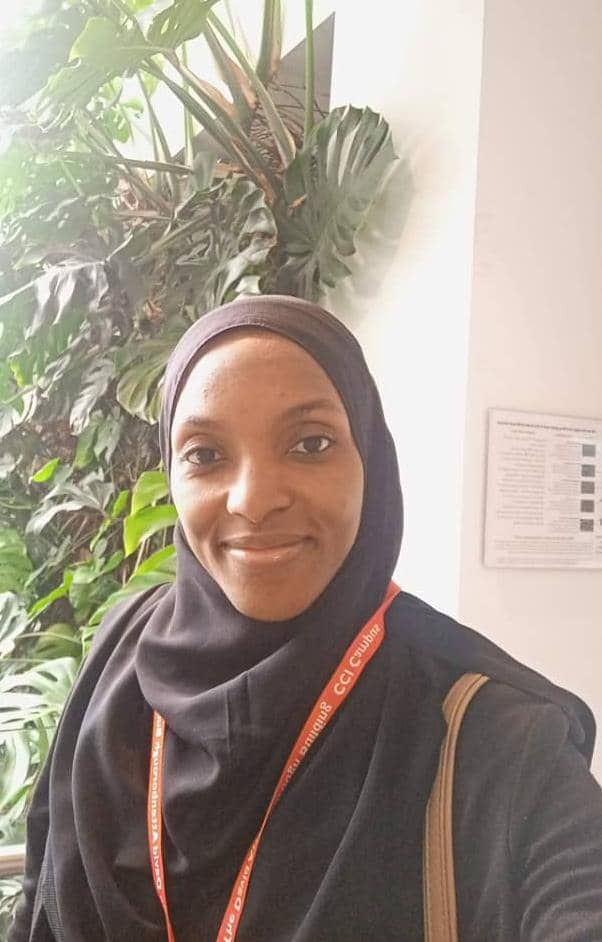
Dr Seniyat Afegbua from the Nigerian Defence Academy will be hosted by Dr Kirsty Sands from the University of Oxford. The team have already collected preliminary findings for their research, to investigate environmental contamination with drug-resistant E.coli and Salmonella by poultry farms in Kaduna State, Nigeria.
With this funding, Dr Afegbua will be able to develop epidemiological skills, strengthen collaboration, and undertake training in quantitative epidemiology and AMR surveillance. She plans to apply these skills to the next phase of their research project.
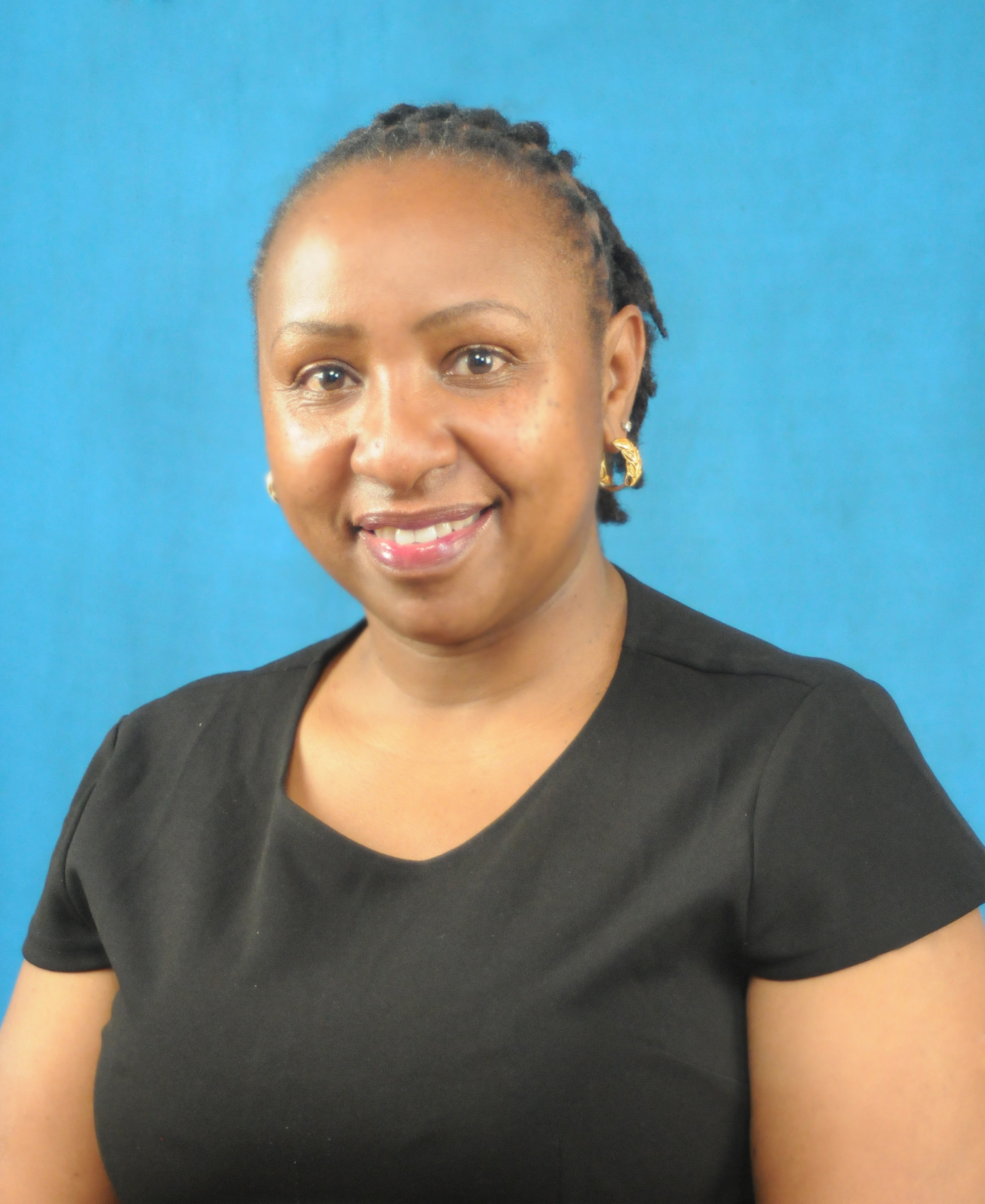
Anthrax, a deadly disease caused by Bacillus anthracis, affects both animals and humans in Tanzanian hotspots like Serengeti and Ngorongoro, where wildlife, livestock, and people frequently interact. However, little is known about how the disease spreads or the genetic relationships between bacterial strains.
To address this, Dr Esther Kimaro from the Nelson Mandela African Institution of Science and Technology will visit the University of Glasgow to work with disease transmission and genetics experts, including Dr Taya Forde. The visit will involve training in genetic analysis, infectious disease tools, and participation in workshops and discussions.
We’re pleased to announce the latest recipients of our Meade Travel Grants in Epidemiology.

Findings from a new study by Dr Emmanuel Essien

Eating disorders are devastating mental illnesses that affect over 1.2 million people in the UK. That’s why we’re funding eight new projects in this field.