


Cancer Survivor's Day: Living with chronic pain after treatment
1 June 2025 is National Cancer Survivor's Day
Read about the latest projects we’re funding to improve the lives of people who are undergoing - or have undergone - treatment for cancer.
Announcing nine exciting new research projects which aim to combat the devastating side effects and after-effects of cancer treatments, which can range from liver damage and infertility to cognitive and psychological problems.
One person in the UK is diagnosed with cancer every 80 seconds – that’s over 400,000 people every year – and it remains one of the main causes of death. Despite survival rates having reached record highs, with about half of people with cancer now surviving for 10 years or more, treatments are often aggressive, with serious effects that can take a toll on a person’s physical and mental health.
This is a significantly underfunded area, and more research is needed to fully understand the impact of cancer treatments on overall health, both during treatment and after remission.
Thanks to generous donations from our supporters, we are investing over £3.75 million in ground-breaking medical research which will pave the way for better treatments, improved quality of life and enhanced support for people going through intensive cancer care.
We were also delighted to partner with Vocal Collective CIC to involve public engagement practitioners in this funding call.
Read on to find out about the nine new projects.
Keep up to date with all our latest news and events, as well as ways you can get involved in our fundraising activities.
Sign up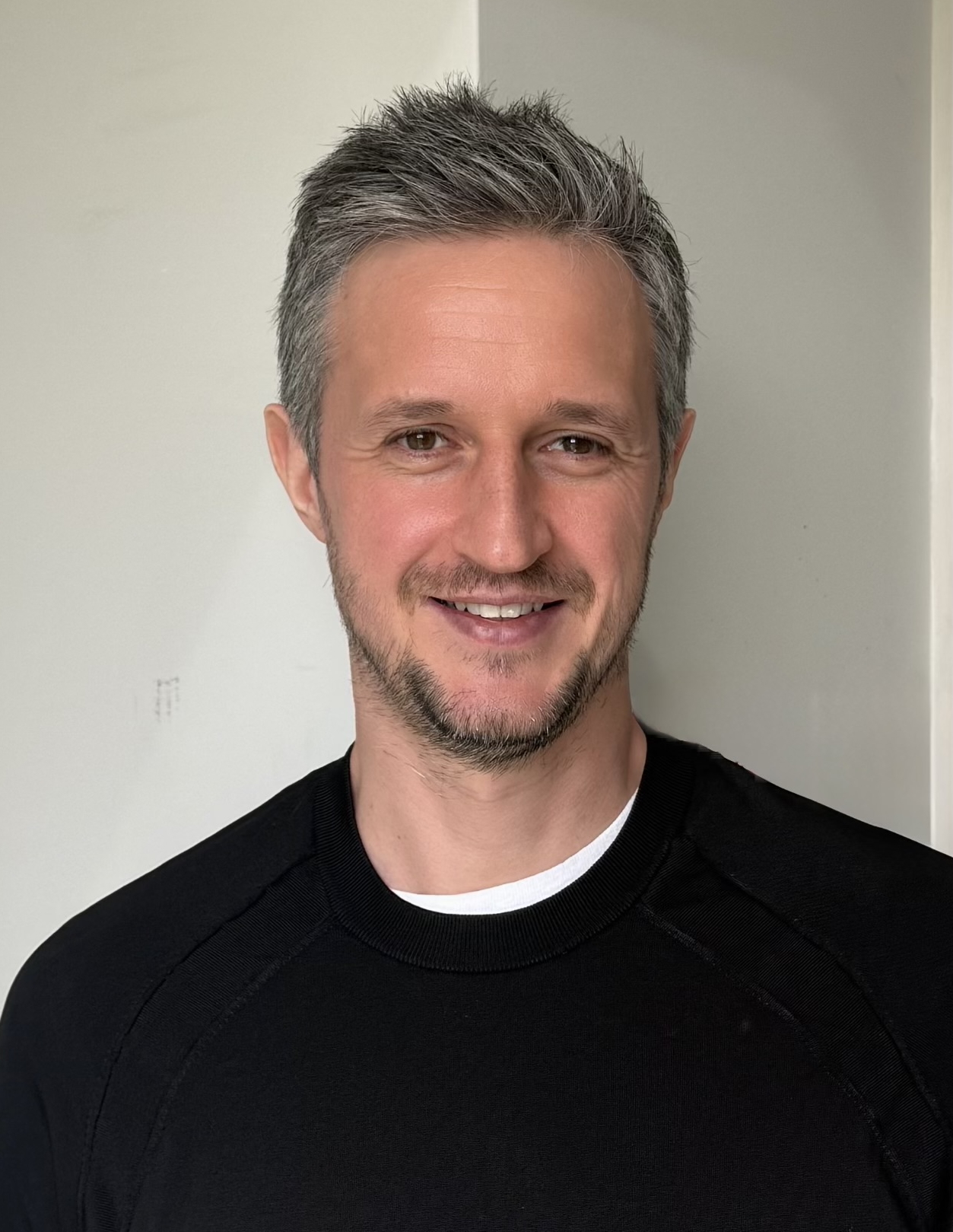
Immunotherapy has transformed treatment for many cancers, however it can still cause serious side effects. Professor David Bending and his team at the University of Birmingham will build on their current research to investigate how a particular type of immune cell, known as T peripheral helper cell, may be involved in causing these side effects and how this knowledge can be used to make treatments more tolerable.
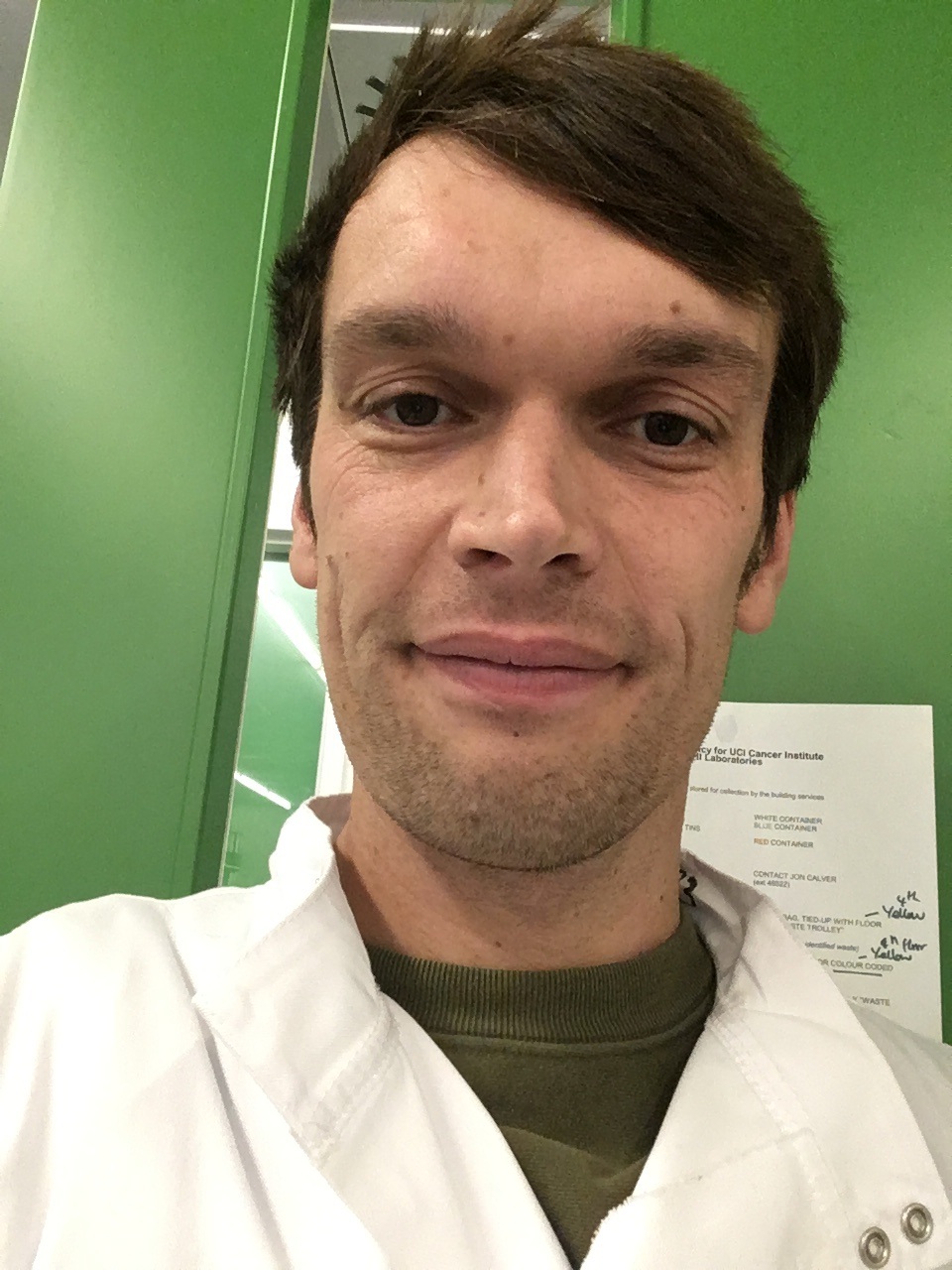
Despite being very effective for treating leukaemia, antibody drug conjugates can cause liver damage which in some cases can be life-threatening. By modelling the human liver in the lab, Dr Richard Burt and his team at Imperial College London will develop new approaches to predict and identify liver damage earlier in people undergoing this treatment. They hope this will ultimately lead to new preventative strategies.
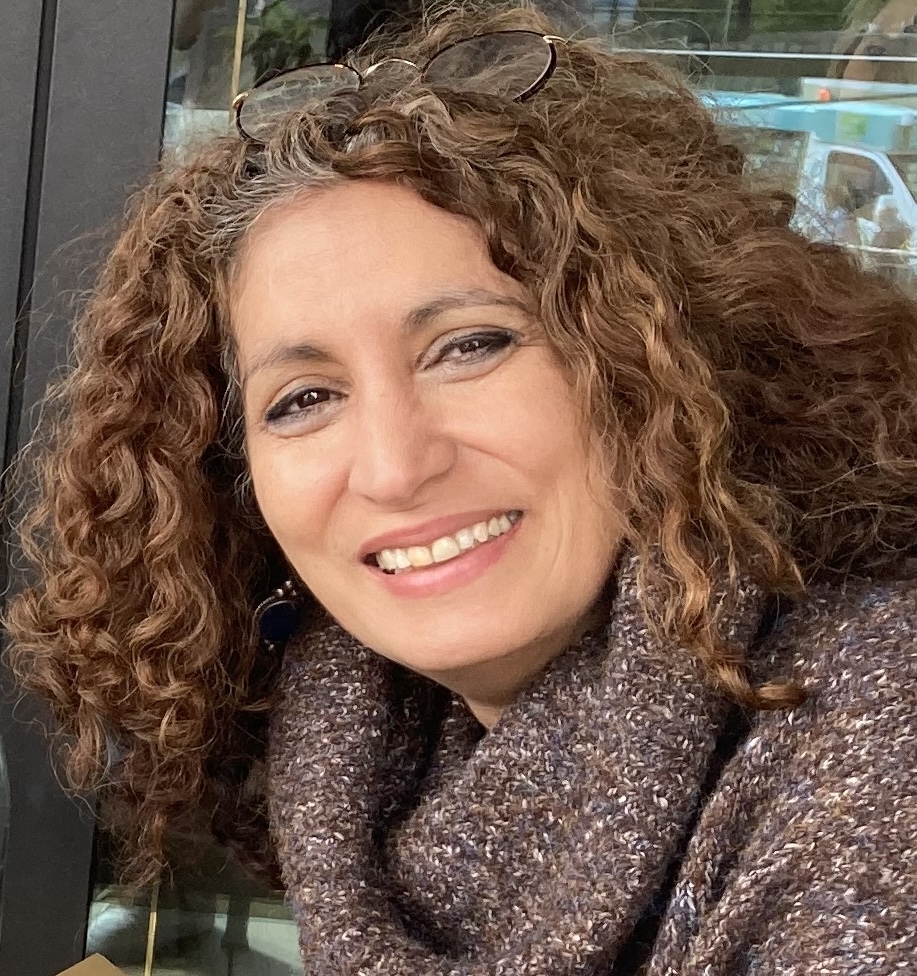
Typical treatment for lung cancer can damage the immune system and cause other serious side effects. To combat these issues, Professor Kairbaan Hodivala-Dilke and her team at Queen Mary University of London will study a new type of drug, known as an ‘RGD-mimetic’, in models of human lung cancer, to see if they can treat the disease more effectively and reduce side effects.

Treatment for head and neck cancer can deeply change how people look and alter basic functions like speaking and swallowing, often leading to distress, low mood, and social withdrawal. To address these issues, Dr Helena Lewis-Smith and her team at the University of the West of England Bristol will develop a new psychological therapy co-produced with lived experience experts and healthcare professionals.

Immunotherapy can cause damaging effects on the liver, also known as immune-mediated hepatitis, in up to 15% of patients. Professor Ye Htun Oo and his team at the University of Birmingham will investigate the cellular mechanisms that are causing this problem, and explore whether a particular type of immune cell, the regulatory T-cell, could be used to prevent it.

Immune checkpoint inhibitors (or ICIs), a type of immunotherapy, can come with the risk of serious side effects. To better tailor cancer treatments to patients, Dr Claire Palles and her team at the University of Birmingham will use health data from patients treated with ICIs to develop a new test which would assess a person’s risk of benefitting from the treatment versus experiencing side effects.
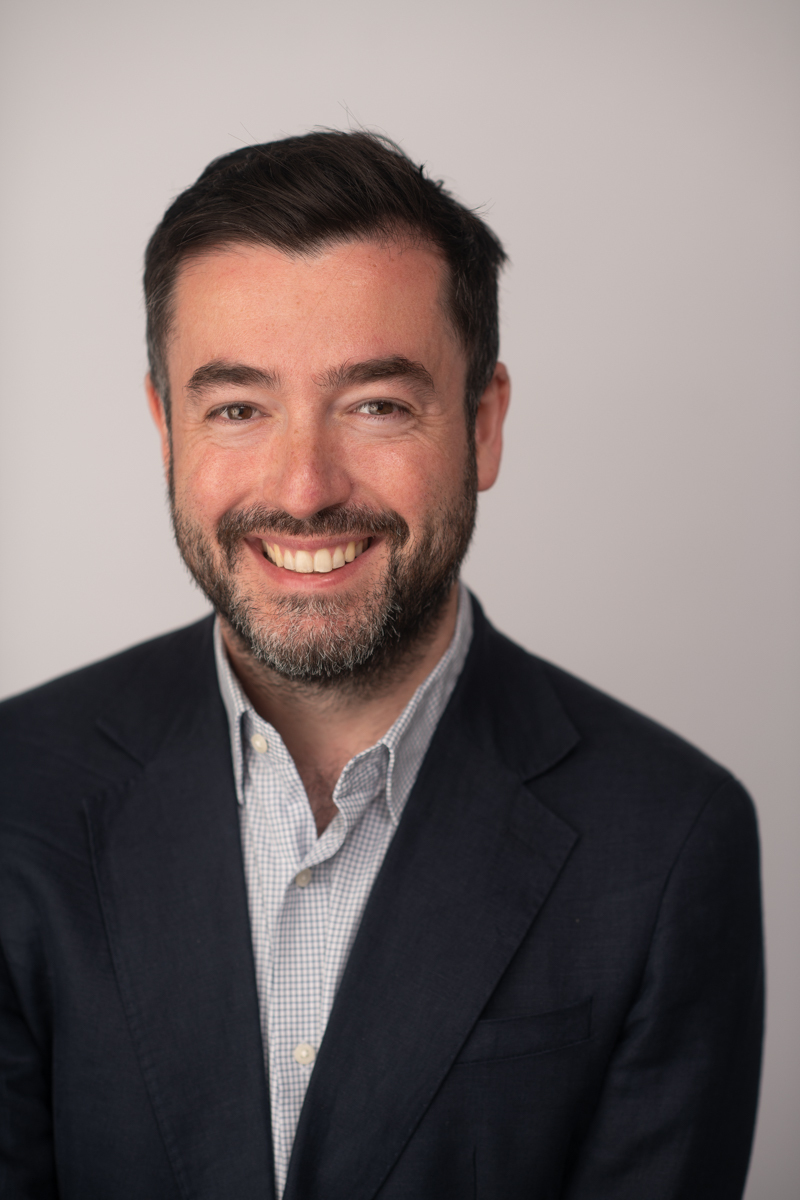
CAR T-cell therapy is a personalised blood cancer treatment which utilises a person’s own immune cells. Although it can be very effective, it can also lead to a range of brain-related side effects, from severe neurological syndromes to mental health conditions. Dr Thomas Pollak and his team at King’s College London will identify who is most at risk of these side effects and how the NHS can provide more targeted support.
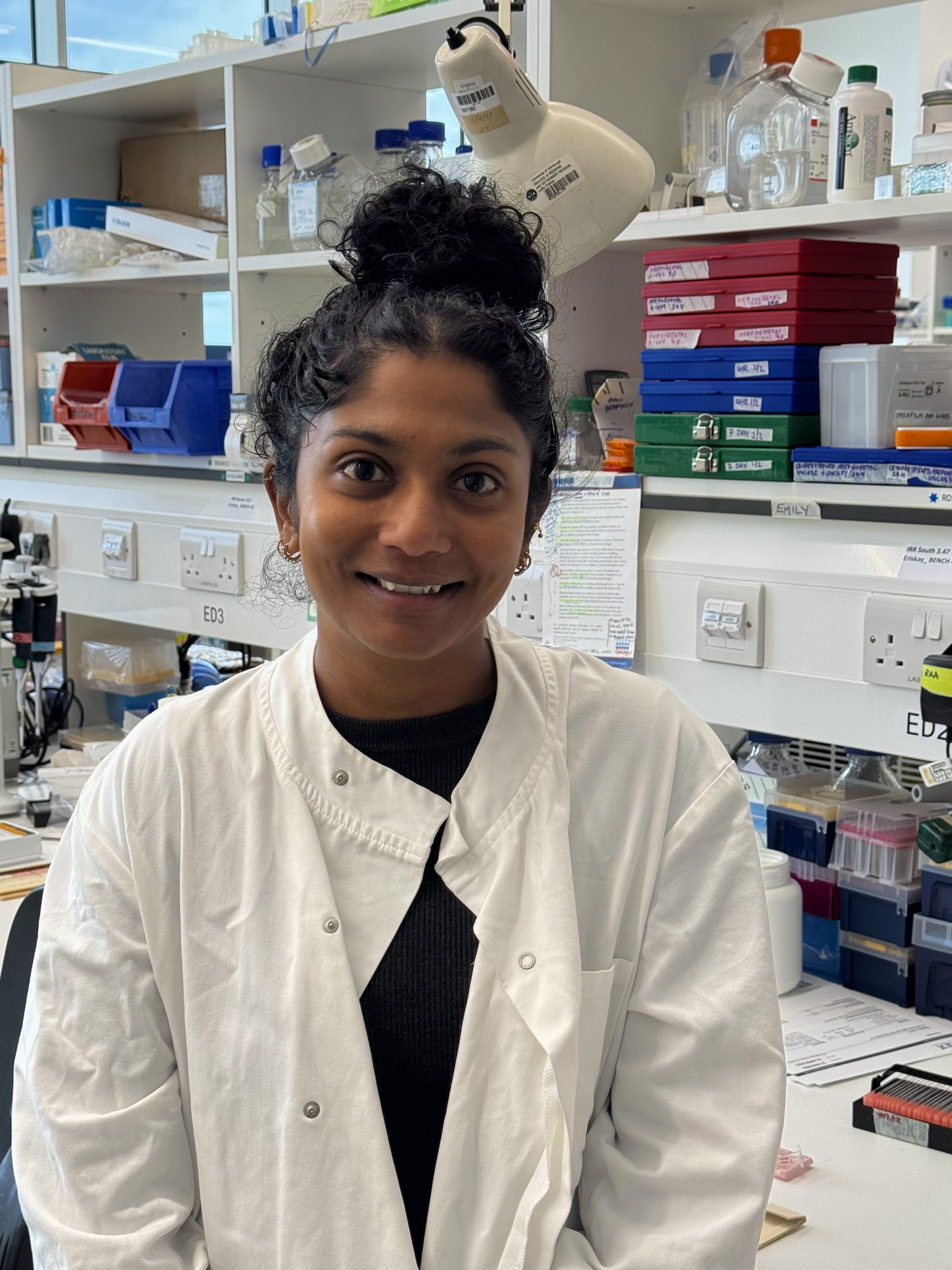
Many chemotherapy treatments for cancer can damage the ovaries, leading to female infertility and other long-term health problems. Building on their current research, Dr Roseanne Rosario and her team at the University of Edinburgh will test whether a new combination therapy using a naturally occurring hormone might be effective at protecting the ovaries of young women undergoing chemotherapy.

Neuroblastoma is a serious childhood cancer which can often involve an aggressive programme of treatment. Dr Elizabeth Tucker and her team at the Institute of Cancer Research will use a laboratory model to test and monitor the side effects of a new treatment for neuroblastoma, which has the potential to be safer and kinder for young patients.
Working in partnership with Vocal Collective CIC, we integrated public engagement and involvement practitioners into the grant review process for this funding call - providing written reviews which were used throughout.
Their input helped ensure that the selected research projects included the perspectives of the communities relevant to their research, and that plans for engagement activities involving the public were safe and meaningful.
Your donation supports ground-breaking medical research to improve health and change people's lives.
Support us
1 June 2025 is National Cancer Survivor's Day

Funding for five new research projects in the field of child and adolescent cancer pain