



Our research
Fighting the superbugs
We're facing up to the challenge of antimicrobial resistance and ensuring that we protect modern medicine for future generations.
Watch our new short film about gardening and superbugs.
This bank holiday weekend, we’ve teamed up with Bake Off finalist and science communicator Dr Josh Smalley with a timely reminder that while we continue to reap the many benefits of gardening, we can’t afford to ignore the growing threat of superbugs.
Alongside baking spectacular science-themed showstoppers and explaining the science behind food, Josh shares his passion for gardening online from his garden near Leicester.
In our brand new short film ‘Your garden and antibiotics: the unexpected link’, which you can watch below, Josh is joined by Dr Angela Hind, Chief Executive of the Medical Research Foundation, as they get their hands in the soil at Josh's vegetable patch and discuss the fight against superbugs.
Antimicrobial resistance happens when microbes - including bacteria, fungi, viruses and parasites - evolve to resist the drugs designed to kill them – antibiotics, antifungals, antivirals and antiparasitics. Today these microbes are often described as ‘superbugs’.
Soil was the original source of many antibiotics, including tuberculosis-fighting streptomycin, but no new classes of antibiotics have been discovered in 40 years. Combined with the ongoing overuse and misuse of the drugs we do have, this has enabled a growing number of infectious microbes to become resistant to antibiotics and other medicines.
8,500 people are hospitalised from gardening injuries every year in the UK, with most gardening accidents occurring between April and September as many of us get out into the garden over the bank holiday weekends.
A simple cut, graze or splinter always carries risk of an infection - and while many of these infections are still treated successfully with antibiotics, this is changing rapidly. Today, an infection that might have once been simply and reliably treated with a course of antibiotics could, increasingly, become a serious, even life-threatening, illness.
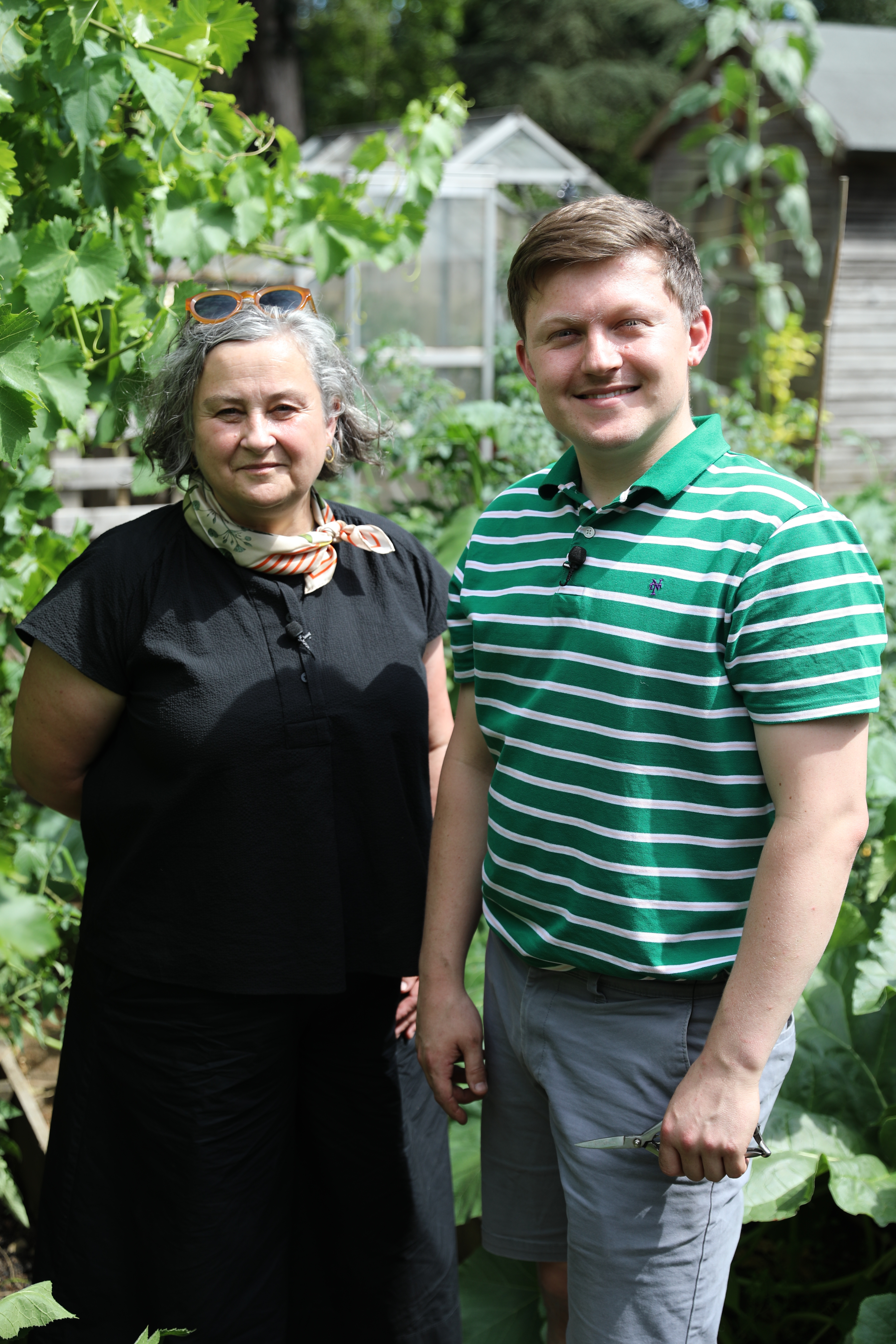
Angela, who’s also a keen allotment-keeper, said, “Gardening does so much for the planet and for our own physical and mental health. We want to be able to continue to enjoy it. But as antibiotic resistance grows, even small injuries like a cut or a splinter need to be looked after carefully. That's why we fund research into superbugs: so the infections we can treat easily today don't become untreatable tomorrow.”
Josh added, “When we’re out in the garden, the last thing on our minds is what might be lurking in a splinter or a scratch. Making this film really brought home how much we take antibiotics for granted. Superbugs can sound like a distant problem, but they're already changing how doctors treat everyday injuries. I still want people to get outside and get their hands dirty - just with their eyes open.”
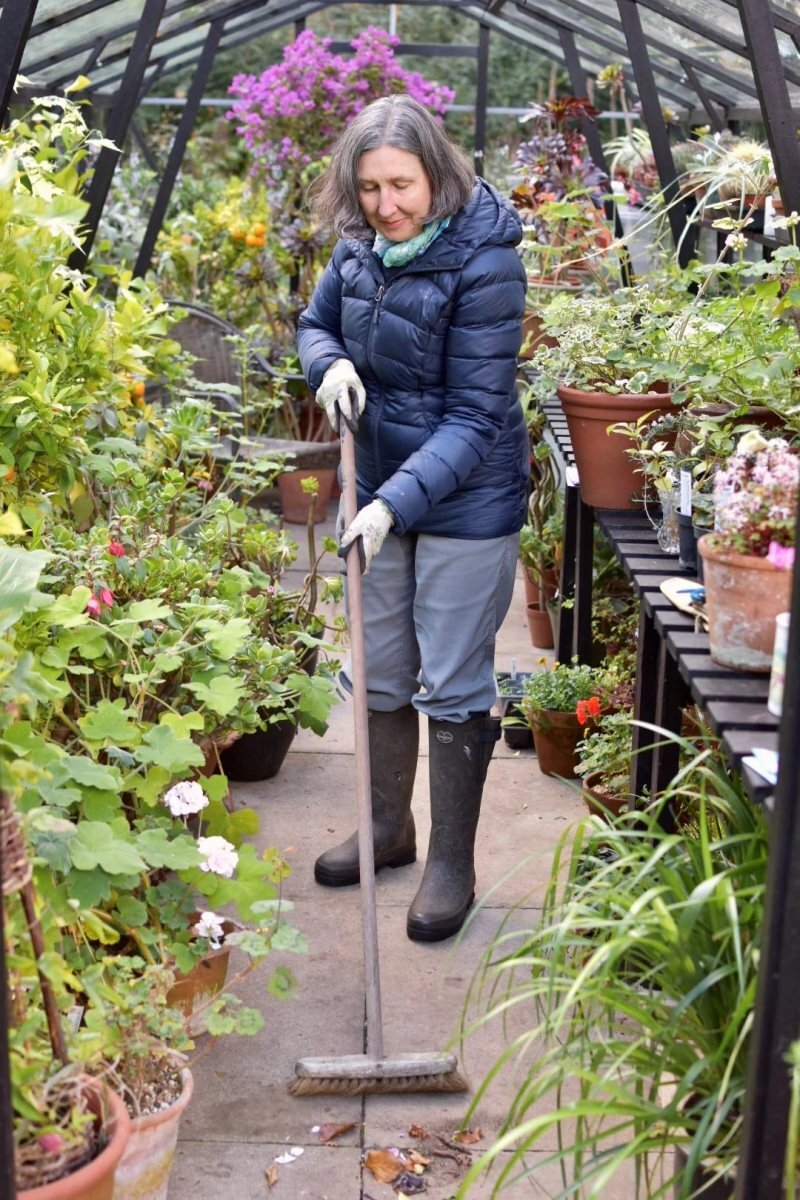
East Midlands gardener and writer Karen Gimson knows just how quickly a minor injury can turn serious. In 2019, just a few days after getting a seemingly minor splinter, her hand had swollen and a red line was creeping up her arm.
Karen said, “I rang 111 and was prescribed antibiotics. Luckily, within a few hours I started to feel better. But it was frightening to realise that something as small as a splinter could become so serious.
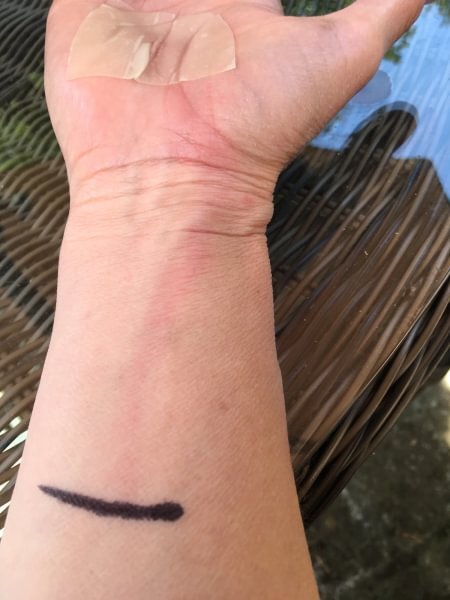
Karen's splinter infection - the black line shows how far it had spread up her arm.
“It's worrying to think what could have happened if the antibiotics hadn’t worked. I want people to understand that even simple activities like gardening can sometimes lead to serious infections. We need to recognise the symptoms of infection, act quickly to get help, and listen to doctors’ advice regarding taking antibiotics.”
Thanks to the generosity of our supporters, we have already been able to invest £4.3 million into antimicrobial resistance research and recently ran a new funding call to support more research in this critical area.
The funding call placed a strong emphasis on interdisciplinary research and collaboration, recognising that superbugs are a complex global challenge that span human health, animal health and the environment. Bringing together expertise from across these fields will be vital to developing effective solutions.
Angela added, “The best thing any of us can do personally to confront the threat of superbugs is simple: learn about the problem and talk about it - the more people understand superbugs, the better protected we all are. And we can take small but important measures in our everyday lives - like taking antibiotics exactly as prescribed. Finally, we can support more research into superbugs - which is ultimately how we're going to combat this ever-growing threat."
Find out more about this work, and how you can help us fight the superbugs.
Learn more
We're facing up to the challenge of antimicrobial resistance and ensuring that we protect modern medicine for future generations.

Dr Wezi Sendama is exploring how ageing impacts lung immunity, aiming to reduce infections and antibiotic dependence.