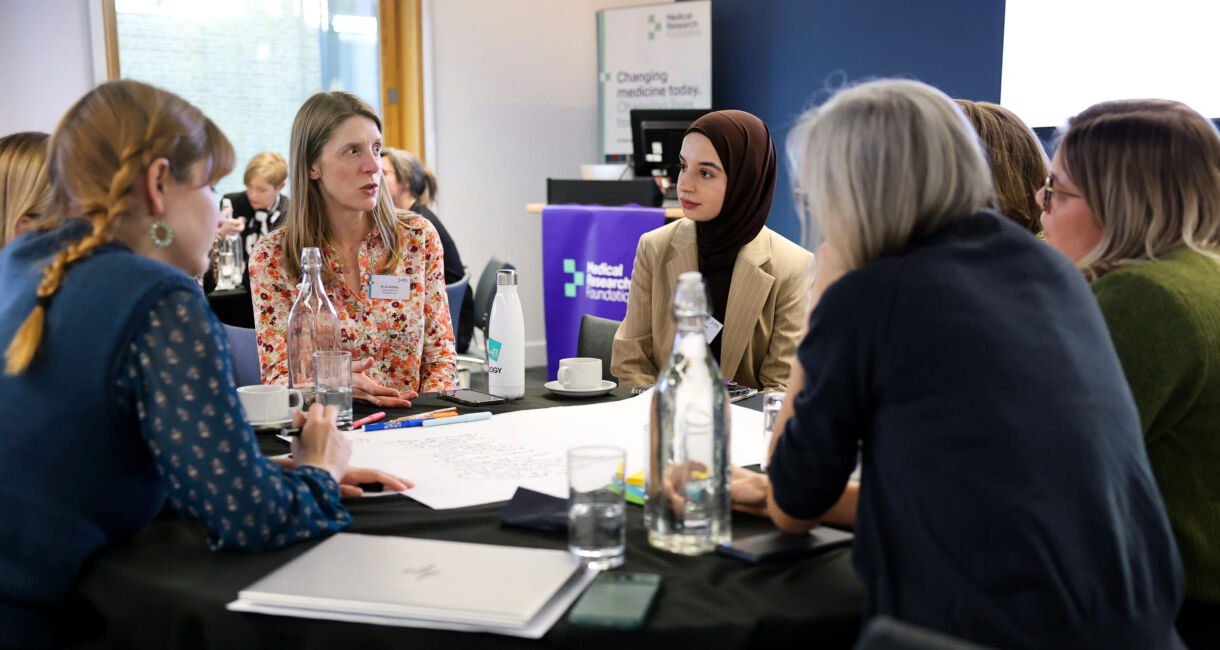
Event showcases eating disorders research and vital need for future investment
A glimpse into our recent event centred around eating disorders research.
A look at the latest research we’re supporting on suicide and self-harm, exploring how we can more effectively protect and support those at risk.
We are thrilled to announce six new research projects exploring self-harm and suicidal thoughts, and how we can more effectively protect and support those at risk.
We have been able to support six excellent research leaders of the future, to find solutions for our friends, neighbours and colleagues who could face the struggles of suicidal thoughts and self-harm.Dr Angela Hind
More than 700,000 people die every year by suicide globally – with over 7,000 in the UK alone. Suicide is now recognised as the third leading cause of death among 15–29-year-olds. Rates of self-harm in the UK have also risen sharply in recent years, upending people’s lives and those of their families, with little known about the causes or how to prevent it.
Despite mental health conditions affecting 23 per cent of the population, mental health research receives only six per cent of the UK health budget – and only two per cent of this is allocated to research into suicide and self-harm. This disparity in research funding is why the Medical Research Foundation has such an important role to play in supporting this field.
Thanks to our generous supporters, including Alice Mary Cory and Kathleen Frances Goff who both left gifts in their Wills, it is possible for us to fund Fellowships that will allow mid-career researchers to not only strengthen the scientific understanding of suicide and self-harm, but also take the next step in their careers.
We were also delighted to partner with Vocal Collective CIC and to involve ten lived experience experts (people with lived experience of self-harm or suicidal thoughts) and public engagement practitioners in this funding call.
Read about the six new projects – and the researchers behind them - below.
Keep up to date with all our latest news and events, as well as ways you can get involved in our fundraising activities.
Sign up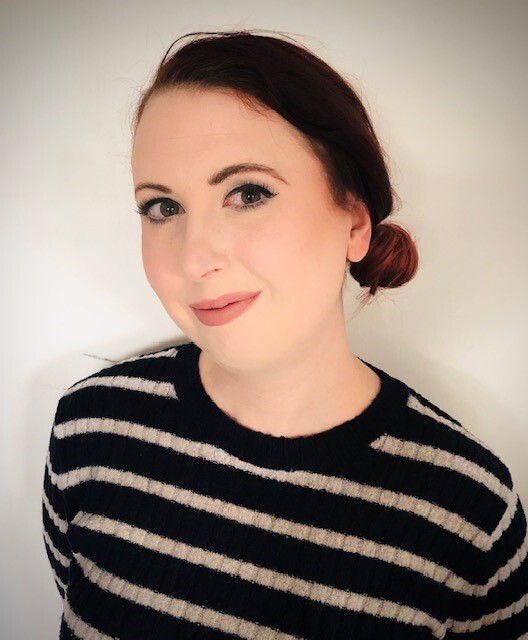
People with eating disorders are at a much higher risk of suicide than those without, yet we still do not fully understand why or how best to address this problem. Dr Una Foye and her team at King’s College London will conduct in-depth interviews with people, including those from backgrounds often underrepresented in research, to gather new insights about eating disorders and suicidal thoughts across their lifetimes. With the findings, the team will produce an animated film and learning toolkit, both of which they hope will inform clinical care and suicide prevention.
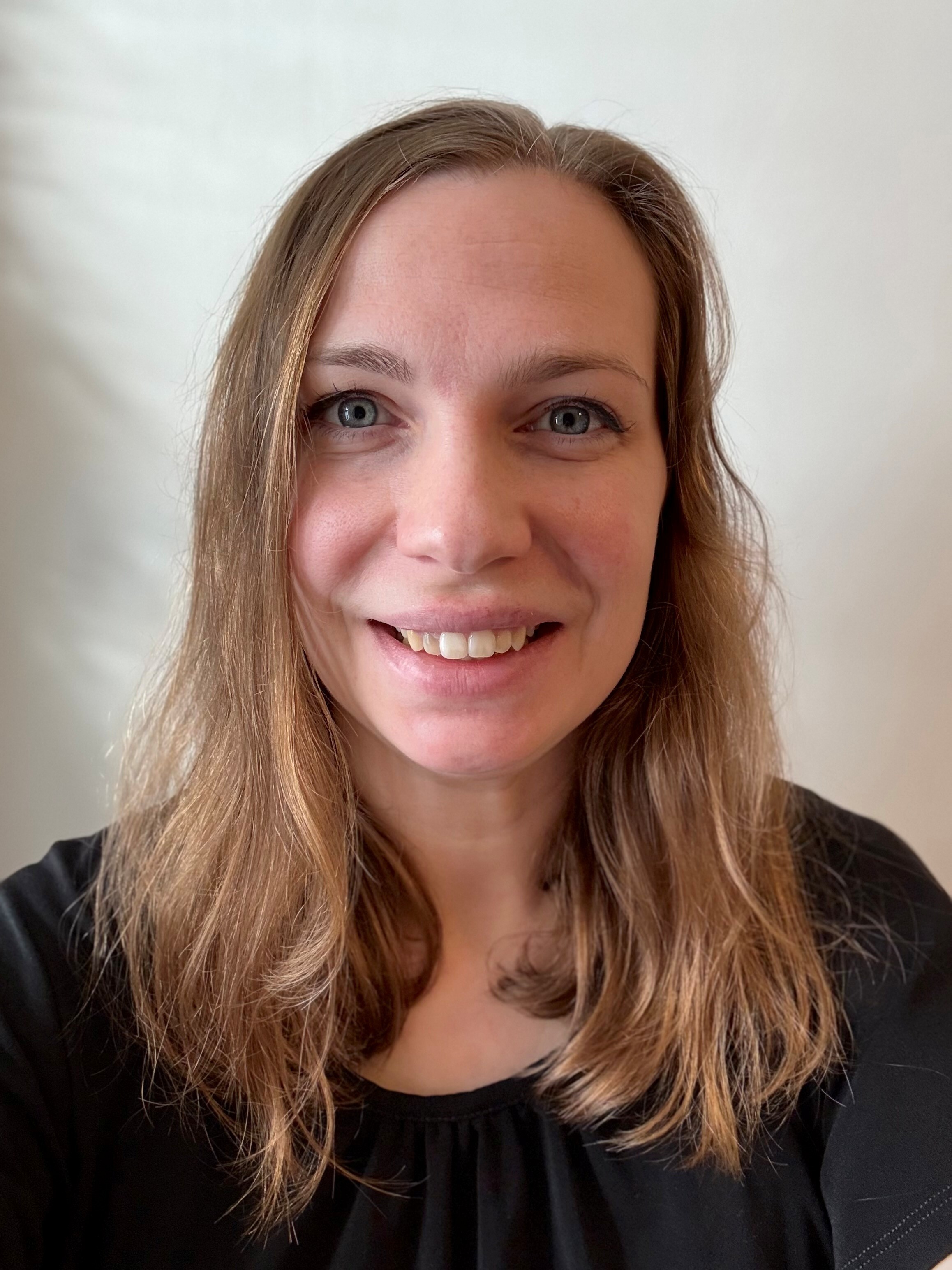
There is evidence that arts engagement - such as art, music and creative writing – can support improved mental health in young people, but it is currently unclear what role it could play to reduce the risk of suicide and self-harm. Dr Naomi Warne from the University of Bristol is leading a project which will analyse data about arts engagement from around the world, and use this to develop a programme of arts and wellbeing sessions for UK secondary schools aimed at preventing suicide and self-harm.
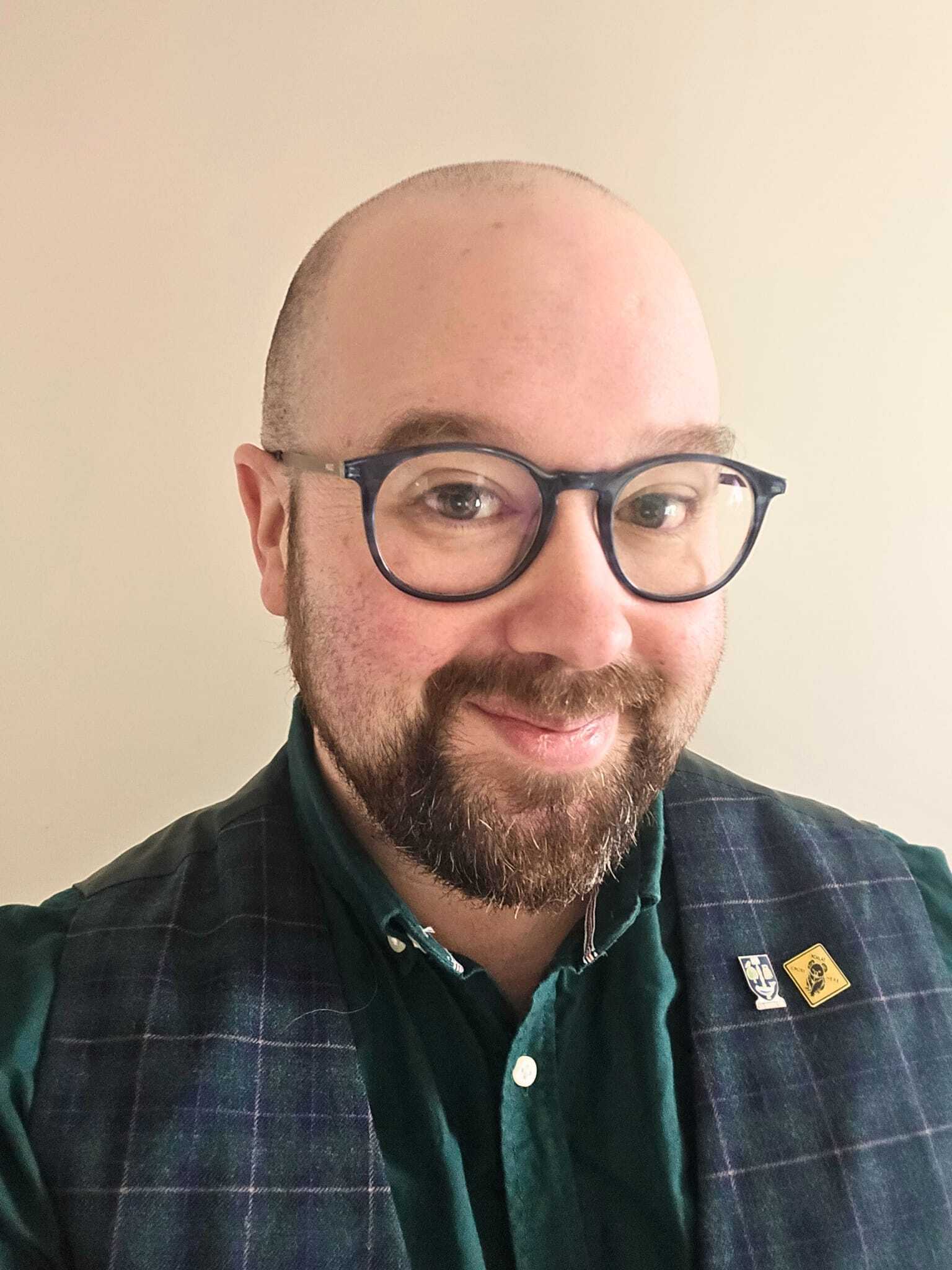
Nurses are at a significantly higher risk of suicide than those in many other jobs, yet little is understood about why this is the case and how it can be prevented. Assembling data from historical records, personal testimonies and digital tools, Dr Simon Walker and his team at the University of Glasgow will develop a model as part of their RESUME project to predict suicide risk in nursing staff across Scotland. The aim is simple: better evidence, earlier support, and fewer deaths.
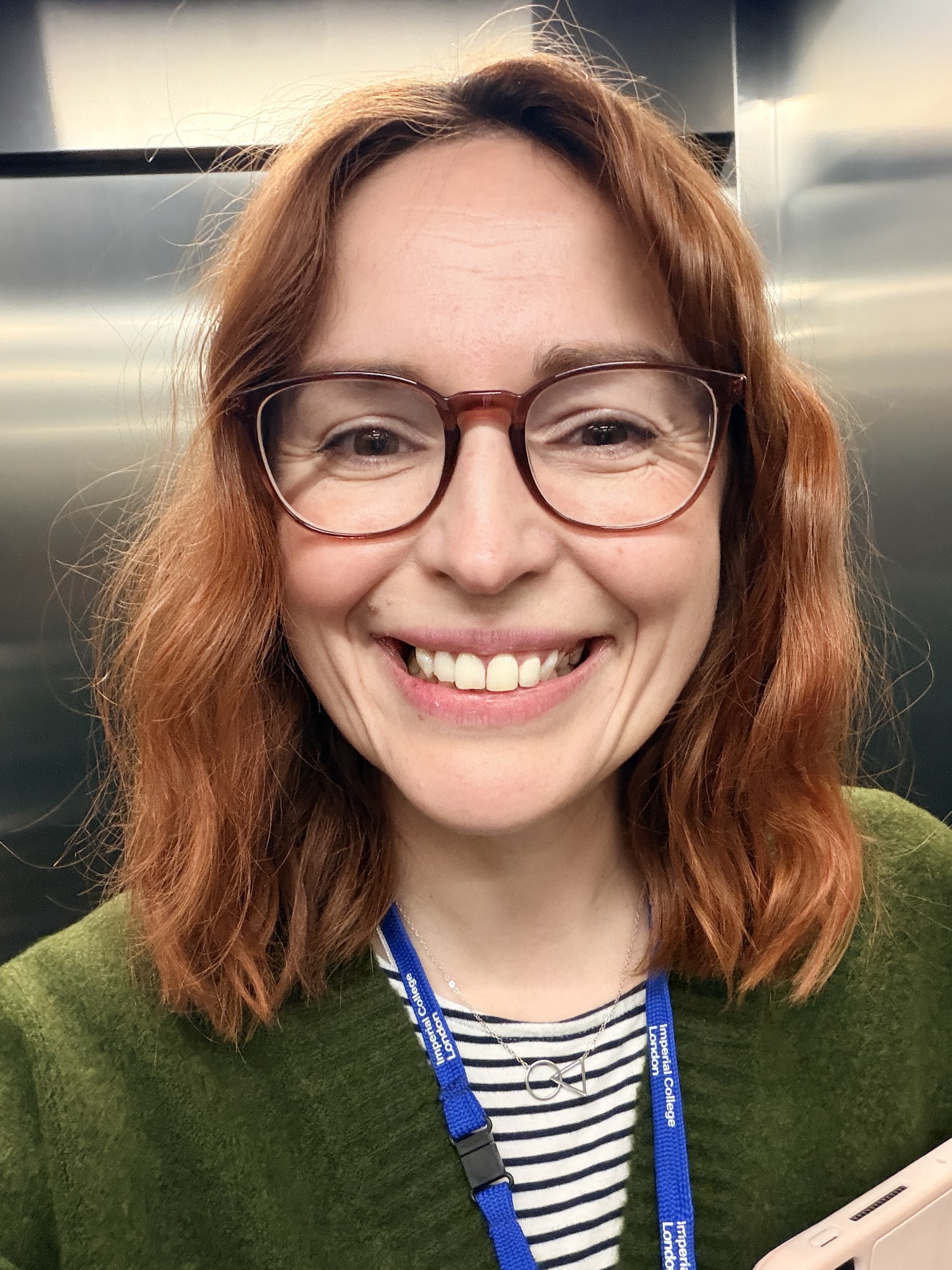
Social connections, such as relationships with friends and family, have been shown to protect against poor mental health and suicide. Now, Dr Lindsay Dewa and her team at Imperial College London will develop and test a new digital tool which provides ‘social connection nudges’ through a mobile phone app to support young people experiencing suicidal thoughts.
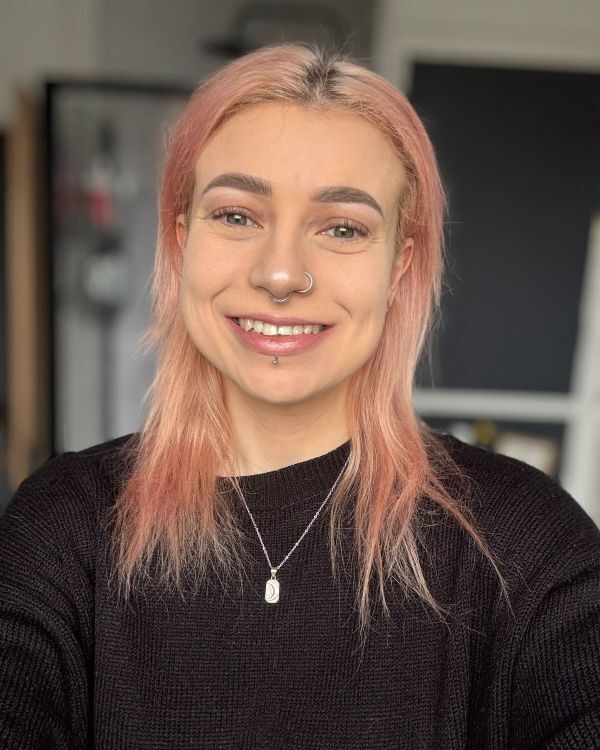
Studies indicate that Autistic people are three times more likely to self-harm than non-autistic people. Self-harm is also the largest predictor as to whether someone will take their own life in the future. Led by Dr Victoria Newell at the University of Nottingham, researchers have developed a new tailored assessment tool to identify and understand experiences of self-harm in Autistic people. Victoria and her team will now test and improve this tool, so it can be used in practice to help provide more appropriate support for Autistic people who self-harm.
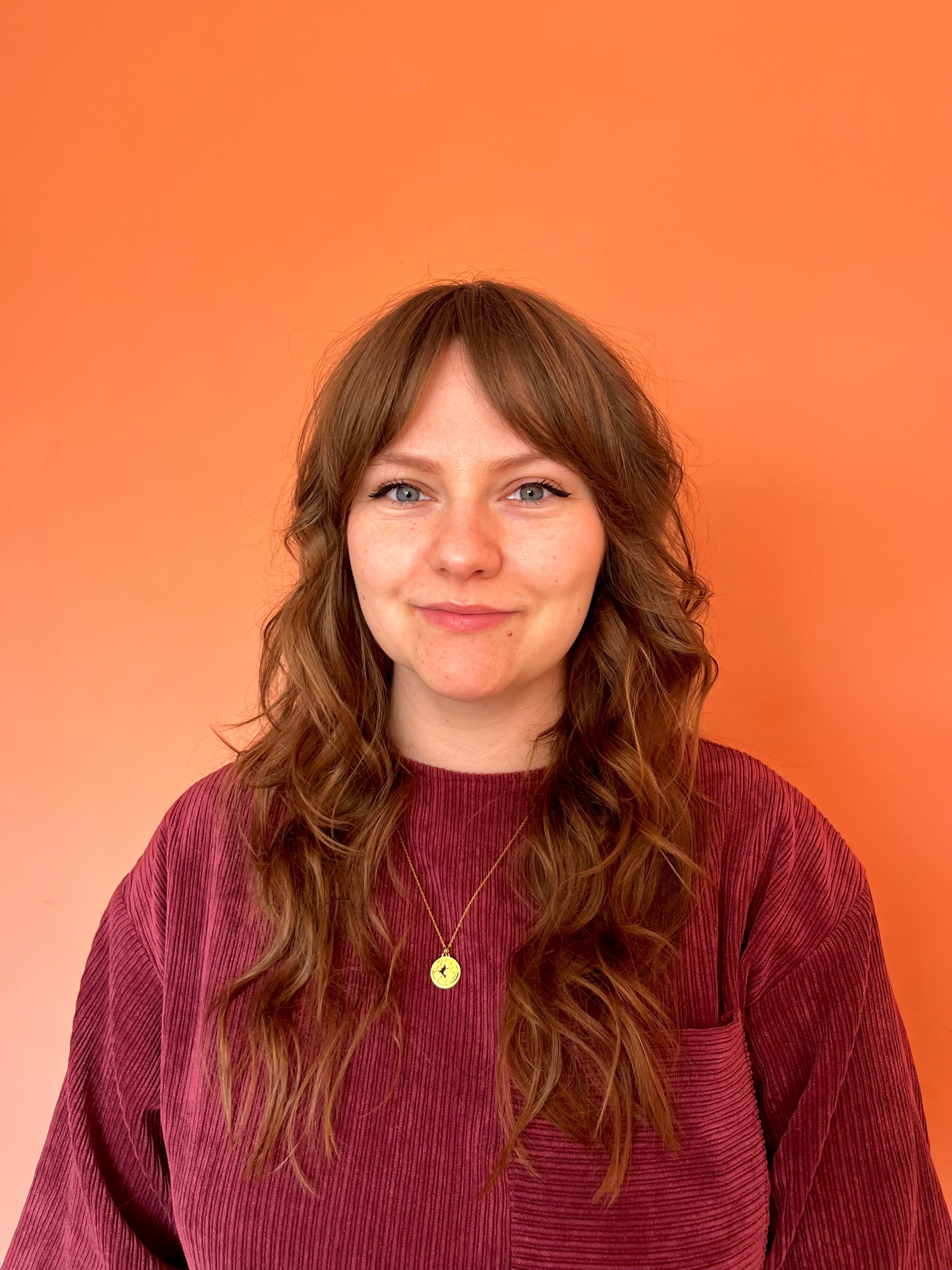
Despite self-harm becoming a growing issue for students at university, less than half seek help and the majority never receive any support. Dr Bethany Cliffe and her team at the University of Bristol will be exploring attitudes to self-harm at universities, and how their staff and support services respond to students who are struggling. From workshops with university students and staff, they will produce resources – including guidance around policy and messaging, and anti-stigma campaigns – to help universities provide a more supportive environment for students with this serious mental health condition.

Dr Angela Hind, Chief Executive of the Medical Research Foundation, said “Thanks to two very generous donors who left gifts in their Wills, we have been able to support six excellent research leaders of the future, to find solutions for our friends, neighbours and colleagues who could face the struggles of suicidal thoughts and self-harm.
“I had the honour of meeting Kathleen Goff before she died and she was very clear that she wanted to support young scientists to improve the world through the power of medical research – I am confident that these new fellows will do just that in an area of ill health that urgently needs more support.”

This funding call marked an important step for the Medical Research Foundation in how we make funding decisions. Working in partnership with Vocal Collective CIC, we integrated lived experience experts and public engagement and involvement practitioners into the grant review process.
People with lived or living experience of self-harm and/or suicidal thoughts, either personally or as carers, contributed to decisions at all stages of the process - providing reviews and sitting on the panel alongside scientific experts. Public engagement professionals also provided written reviews which were used throughout the process.
Their input helped ensure that the selected research projects are grounded in what matters most to the people and communities affected by these issues, and that researchers had carefully considered how to involve the public in their research.
Your donation supports ground-breaking medical research to improve health and change people's lives
Support usJo, a lived experience expert, was involved in the decision-making for the suicide and self-harm research funding call. Here, she reflects on what made the experience meaningful, and why she describes it as the “gold standard” for involving lived experience in research.
Jo's story
A glimpse into our recent event centred around eating disorders research.

A look at new Foundation-funded research by Dr Aja Murray and her team at the University of Edinburgh's School of Philosophy, Psychology and Language Sciences.
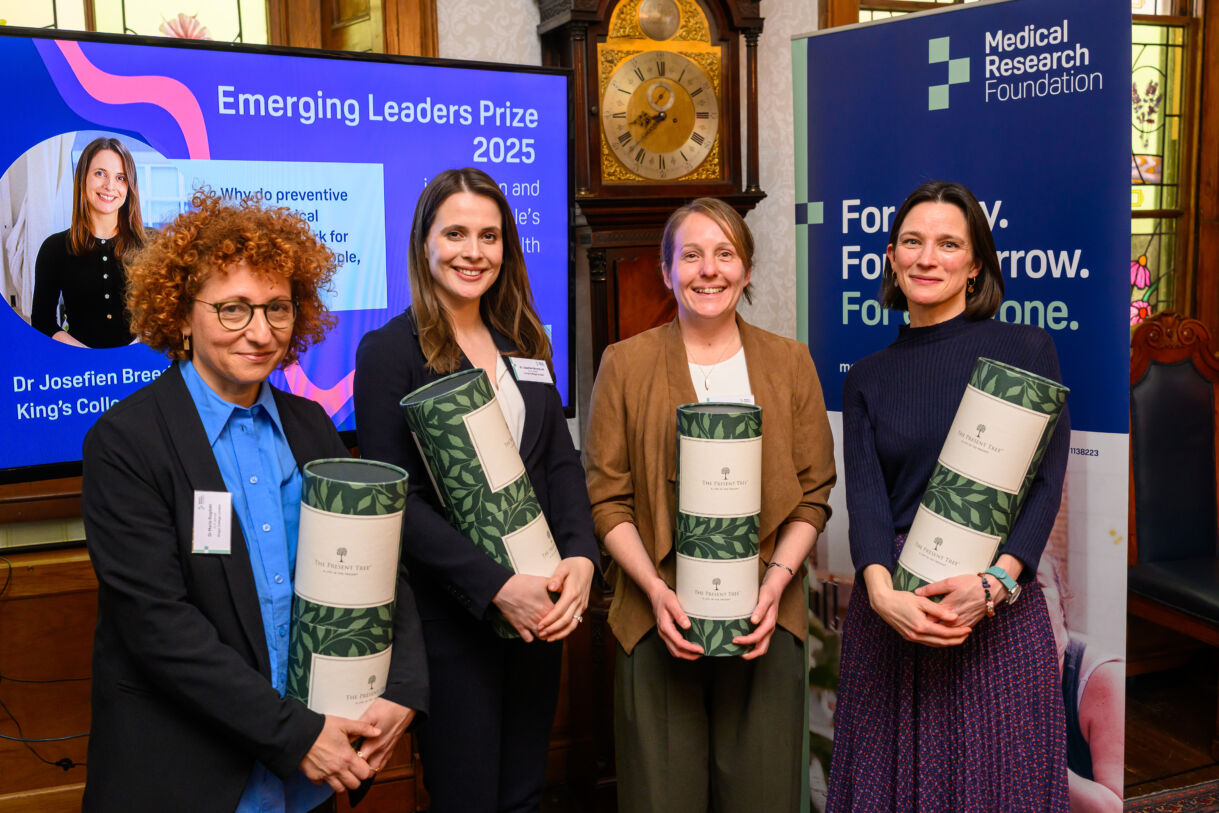
A look at the future leaders receiving funding in our latest round of Emerging Leaders Prize awards.