New launchpad grants to address alarming rise of severe eating disorders
Eating disorders are devastating mental illnesses that affect over 1.2 million people in the UK. That’s why we’re funding eight new projects in this field.
A glimpse into our recent event centred around eating disorders research.
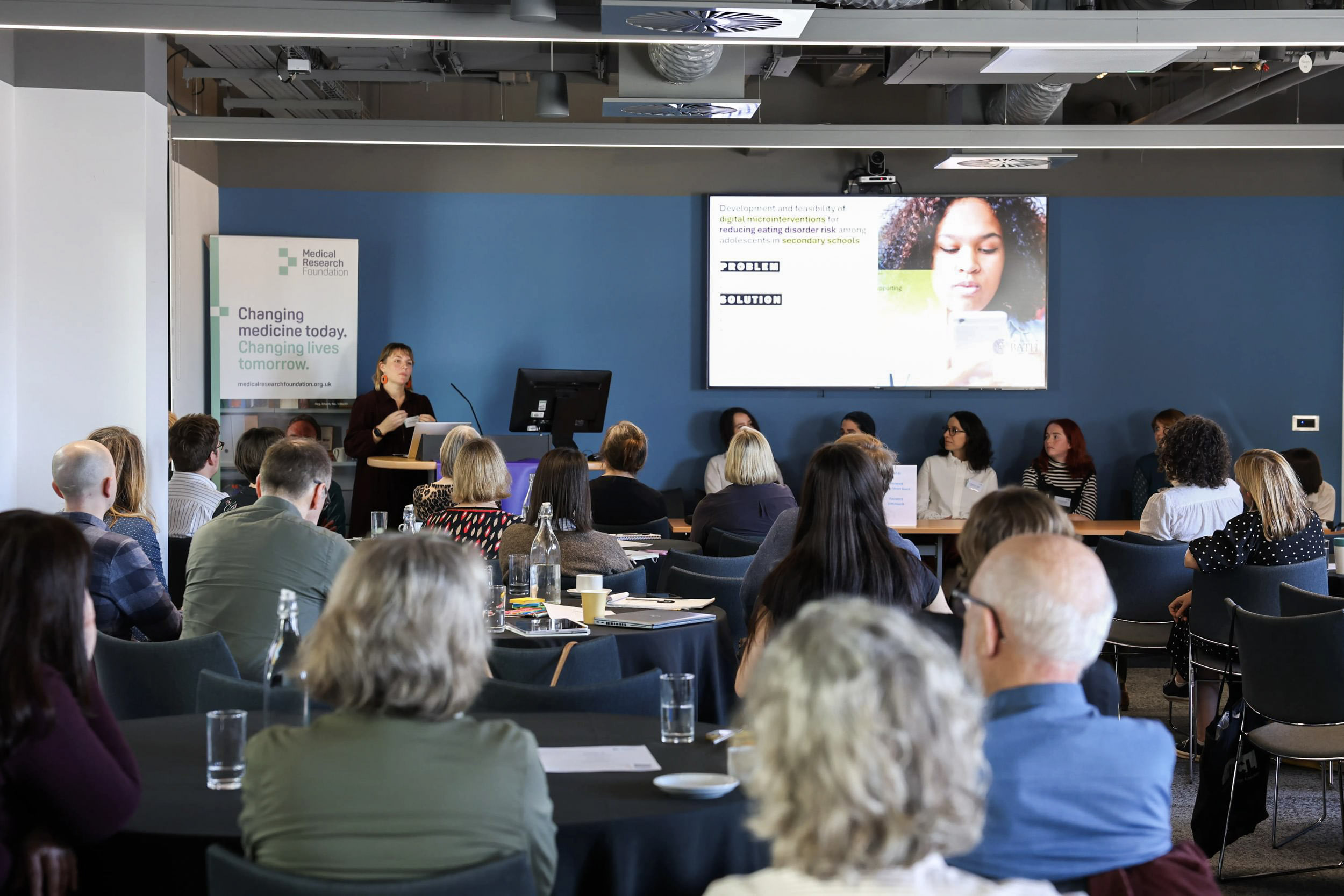
Last week, we brought together many different groups from the eating disorders research community for a day of thought-provoking talks and discussions, paving the way for future research funding in this important area.
Eating disorders are serious mental illnesses which affect people of all ages, genders, ethnicities and backgrounds. It is thought that over 1.2 million people in the UK are living with an eating disorder, yet our understanding of what causes them is very limited. Thanks to our generous supporters, we have already invested £4.1 million in life-changing eating disorders research, but there is still more to do.
On Wednesday 18 March 2026, we were proud to welcome 65 guests to our event ‘Eating Disorders: Research Today for Greater Impact Tomorrow’ in Central London. Attendees included researchers, clinicians, funders, support organisations and lived experience experts, all working in the field of eating disorders and bringing their own unique perspectives.
If you're doing research, and you've not co-produced with those with lived experience, what's the point in it, if it culminates in something that doesn't resonate with their experiences?Eve Royle
We heard from early- and mid-career researchers, as well those receiving larger collaborative funding, about their current projects. These ranged from how GLP-1 medicines - commonly known as weight loss jabs - could be useful in the treatment of binge-eating disorder, to how polycystic ovary syndrome (PCOS) may affect the risk of developing an eating disorder, and how collaborative networks are advancing our understanding of eating disorders in autistic people and helping shape better support.
Another highlight was a panel discussion around the importance of including lived experience perspectives in research.
Eve Royle, a lived experience expert with first-hand insights into what it's like living with an eating disorder, said "The most important thing is whether it will have a positive impact for those living with the condition.
"If you're doing research, and you've not co-produced with those with lived experience, what's the point in it, if it culminates in something that doesn't resonate with their experiences?"

Whilst our field is undoubtedly still underfunded, we are definitely up there with other areas of mental health research in terms of our ideas and ambition.Professor Ulrike Schmidt OBE
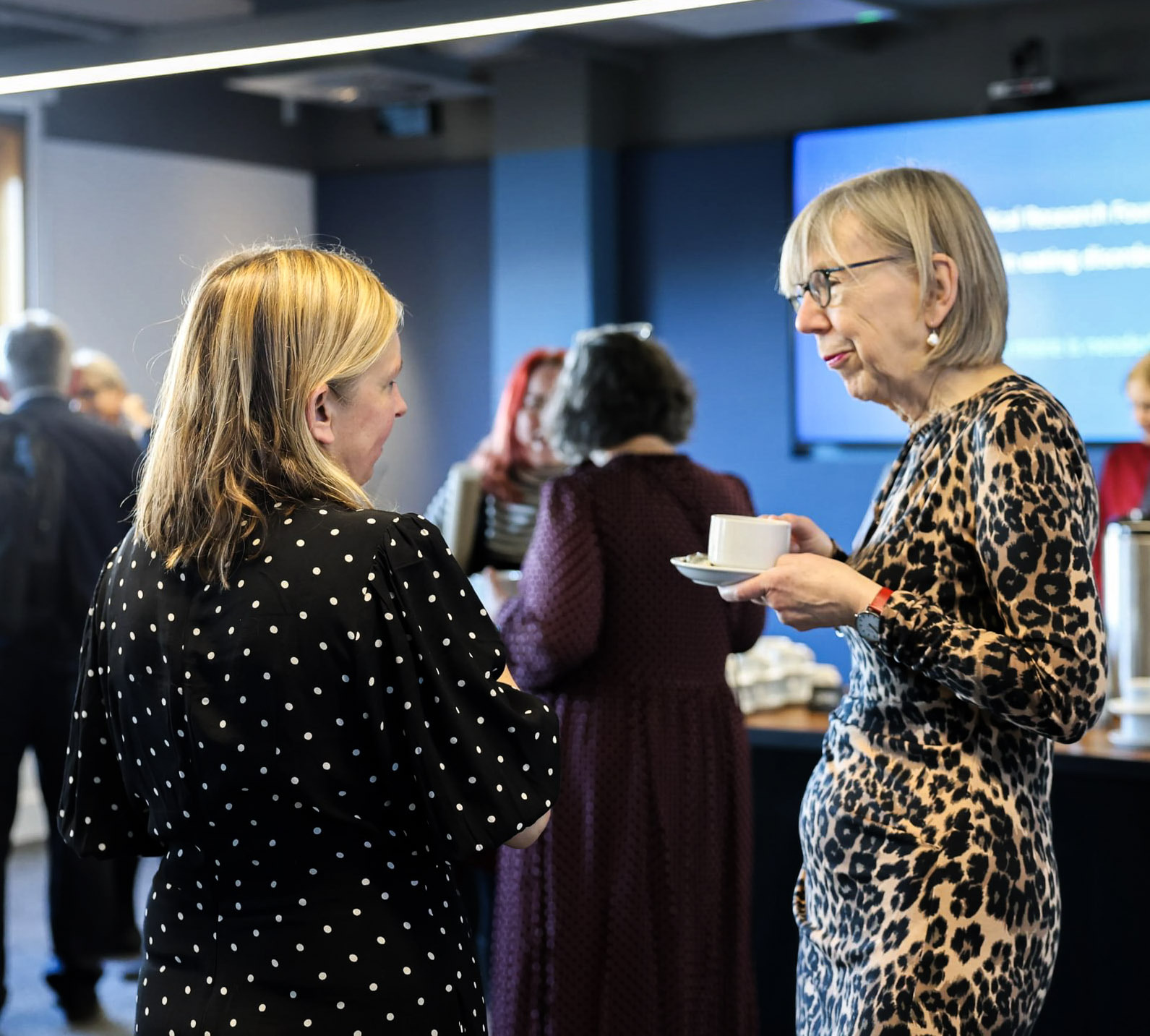
Later, guests took part in a workshop session themed around the future of eating disorders research – what the most crucial clinical issues might be, what the top priorities for research are, and how we can address the underfunding in this area. The outcomes from this session will inform our work in the eating disorders field over the coming months and years.
The event was chaired by Professor Ulrike Schmidt OBE from King’s College London, where she is Director of the Centre for Research on Eating and Weight Disorders.
Reflecting on the day, Ulrike said, "The Foundation has been instrumental in shining a light on the serious disparities in research funding between eating disorders and other serious mental health conditions, and nurturing our field through their varied funding initiatives.
“Their recent showcase event displayed a wonderful array of highly diverse projects, from Launchpad grants for early-career researchers to larger research networks. This gives me hope for the future: whilst our field is undoubtedly still underfunded, we are definitely up there with other areas of mental health research in terms of our ideas and ambition.”
We would like to extend our thanks to the Bird Song Trust and to our donors, whose generosity made this event possible.
Eating disorders are devastating mental illnesses that affect over 1.2 million people in the UK. That’s why we’re funding eight new projects in this field.