


Awardees selected for Meade Travel Grants
We’re pleased to announce the latest recipients of our Meade Travel Grants in Epidemiology.
Many infants develop serious bloodstream infections within their first 28 days of life. This is neonatal sepsis, and it is a major cause of newborn deaths worldwide, with low- and middle-income countries carrying the greatest burden.
New research led by a Foundation-funded scientist at Busitema University, Uganda, now suggests these early infections may have lasting consequences for brain development.
Antibiotics usually resolve the immediate infection, but too often, no follow-up is done to assess how these infants are developing afterwards.Dr David Mukunya
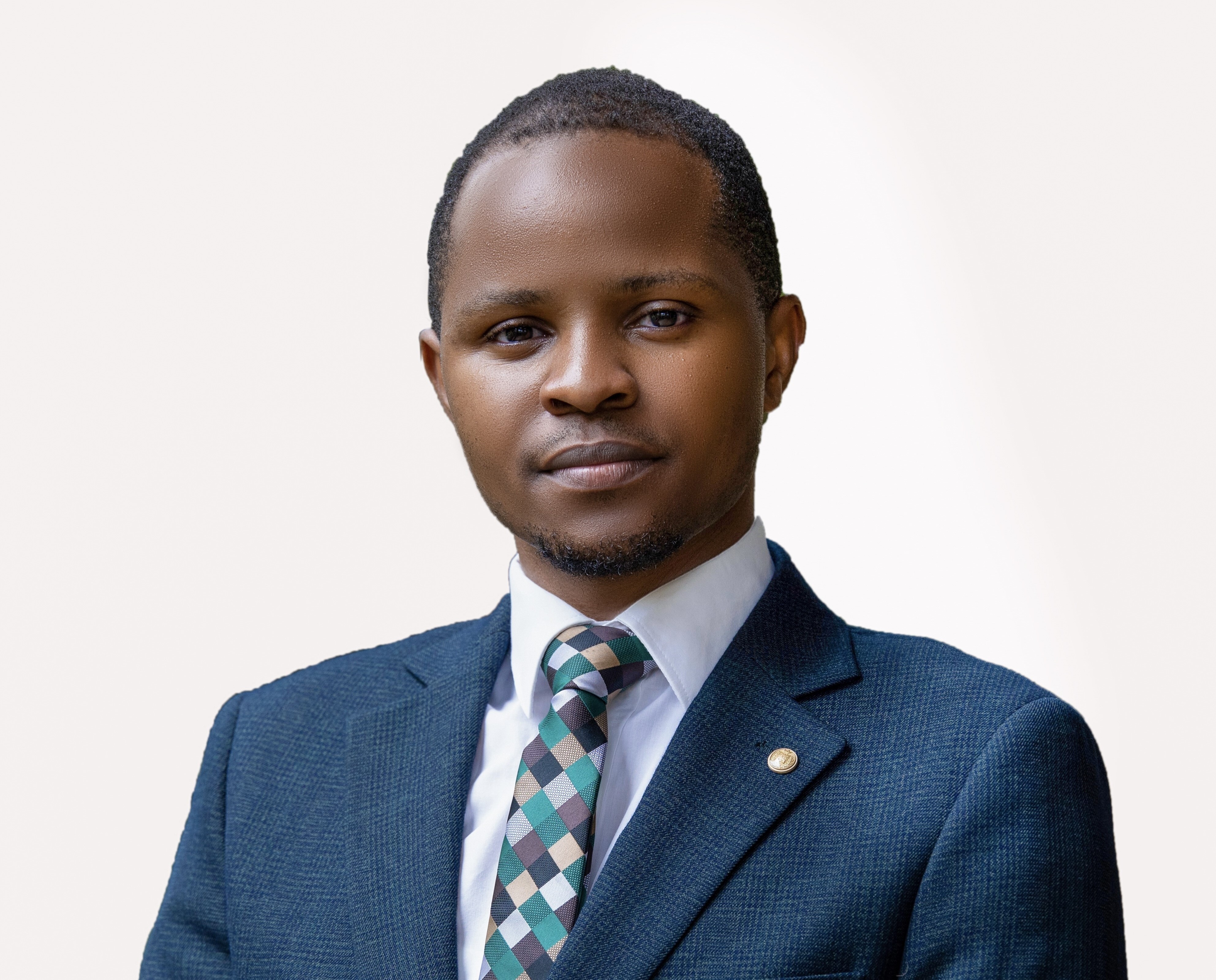
A new study published in BMJ Paediatrics Open and led by Dr David Mukunya, Associate Professor at Busitema University, has found that babies who develop sepsis are more likely to face developmental challenges as toddlers.
Sepsis occurs when the body’s immune system overreacts to an infection, damaging tissues and organs. In many resource-limited countries, clinicians often lack laboratory capacity, and so instead must diagnose newborn infections using ‘clinical checklists’.
David explains, “For much of the past four decades, global health research has been predominantly directed towards preventing neonatal deaths. These efforts have led to meaningful results – notably, the widespread use of antibiotics has substantially improved survival among newborns with sepsis and other serious infections.”
Survival alone, however, is increasingly recognised as an insufficient benchmark. There is now a discernible shift in focus among researchers and clinicians alike: from simply keeping newborns alive to ensuring that they grow, develop, and achieve a quality of life that is worthy of survival.
He adds, “Antibiotics usually resolve the immediate infection, but too often, no follow-up is done to assess how these infants are developing afterwards.”
David and his team have long studied neonatal sepsis. They have closely followed the ‘BabyGel’ trial in Eastern Uganda, which is assessing whether alcohol-based hand gels can reduce infections among thousands of women and their infants. For more than five years, David has tracked participants and created a substantial database of results.
In this recent study, his team combined efforts with the University of Liverpool and the Liverpool School of Tropical Medicine.
“We already know that when infection reaches the brain, children tend to develop poorly and experience sub-optimal brain functioning throughout life,” David explains. “What we didn’t know before this study is how babies diagnosed with sepsis - using simple clinical checklists - are faring at 2 years of age, as most clinicians stop follow-up checks much earlier.”
The researchers assessed over 400 Ugandan infants aged between 18 and 36 months using the World Health Organization’s Global Scales for Early Development (WHO GSED), a recently validated and culturally adapted tool for measuring early child development.
They found that infants with a history of neonatal sepsis had significantly lower development scores than peers without; across domains such as motor skills, language and communication, cognitive development, and social-emotional behaviours.
We need to explore early interventions for children at risk of developmental difficulties – particularly in resource-stretched settings like Uganda.
In sub-Saharan Africa, death rates from neonatal sepsis are estimated to exceed 23 per cent, and many more infants are thought to survive with lasting disabilities. Despite this high burden, most evidence on how sepsis affects early brain growth and learning capacity comes from high-income countries.
Among the first studies in sub-Saharan Africa to address this gap, this research helps rebalance the global North-South knowledge divide. David notes, “Our findings show that it is vital to encourage structured post-discharge follow-up for newborns diagnosed with infections. We also need to explore early interventions for children at risk of developmental difficulties – particularly in resource-stretched settings like Uganda.”
Looking ahead, David adds, “We are now working on a care package to support development in high-risk newborns.
“I am extremely grateful to the Medical Research Foundation for funding protected time for me to work closely with leading scientists in the field, such as Professor Melissa Gladstone at the University of Liverpool, which was instrumental in enabling me to produce this study.”
We’re pleased to announce the latest recipients of our Meade Travel Grants in Epidemiology.

