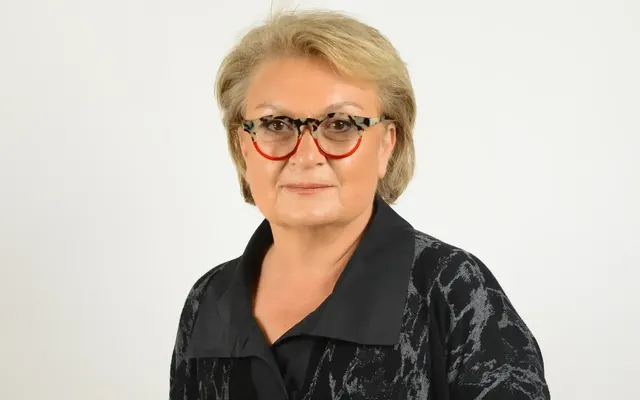
Improving the lives of people with an eating disorder and autism
Professor Kate Tchanturia from King’s College London has developed a new clinical pathway for people with an eating disorder and autism.
Eating disorders, like anorexia nervosa, often co-exist alongside other mental or physical health problems. Researchers are particularly interested in the role of neurodivergence, with studies indicating that 35% of people with an eating disorder also have autism or show high levels of autistic traits.
Despite this, there has been very little research into the overlap between the two, leading to poorer treatment outcomes for people with autism.
Thanks to you, we’ve funded ground-breaking research by Professor Kate Tchanturia MBE from King’s College London, which has led to the development of PEACE (a ‘Pathway for Eating disorders and Autism developed from Clinical Experience’), a pioneering new clinical pathway. To recognise Kate’s incredible impact on the lives of people with eating disorders and autism, she received an MBE in the 2025 New Year Honours.
How do eating disorders and autism overlap?
“There are lots of overlapping symptoms in anorexia and autism, including inflexible thinking styles and difficulties in social and emotional areas, such as recognising your own emotions, expressing them, and interacting with others,” says Kate.
In one Foundation-funded study, Kate recruited and tested over 170 young women with current diagnoses of anorexia nervosa, a group who had recovered from the disorder, and a ‘healthy’ control group. Her team explored data from brain scans and interviews to examine the interlinked effects of anorexia, autism and ageing.
“Through this study, we wanted to help clarify whether current diagnostic tools are valid and reliable for identifying women who have autism, on top of the eating disorder we know they have already.”
“We hope our findings will support clinicians to identify vulnerable patients, at an early stage, who may be unlikely to respond to current eating disorders treatments and require individualised support instead.”
The need for individual, personalised treatments
“We think the presence of both conditions could affect eating disorder recovery, and predict a more chronic course of illness,” Kate explains.
Many patients with eating disorders like anorexia nervosa do not respond to available treatments. Research suggests that the co-occurrence of autism could be a key contributing factor.
“It is really important to determine if a person with an eating disorder has autism as well, because it has a massive impact on how we design our clinical care. People with both anorexia and autism usually require beds in treatment facilities for a longer period, and often, these patients still suffer severe outcomes following discharge from clinics.”
Research from Kate’s group shows that patients with both disorders may benefit from different types of treatment that incorporate social skills and emotional awareness training, as well as the use of distinct communicative styles.

“Being Autistic, I struggled to understand what was happening with my treatment."
Emily, 31, is one of many young people who have had to endure immense challenges as an Autistic person undergoing traditional eating disorder treatment. Since 2023, Emily has worked closely with Professor Kate Tchanturia and the PEACE pathway.
Emily's storyIt is really important to determine if a person with an eating disorder has autism as well, because it has a massive impact on how we design our clinical care. Professor Kate Tchanturia MBE
Where does PEACE come in?
PEACE was set up to support people with both an eating disorder and autism, as well as their carers and clinicians. The pathway is adapting standard treatments to make clinical practices more suitable for neuro-diverse requirements. This will help to address the social and emotional challenges faced by patients with both conditions when undergoing treatment.
Patients on the PEACE pathway spend significantly less time in hospital compared to those without it. It is estimated that this has saved the healthcare system nearly £275,000 over the course of just a year. Through close engagement with NHS eating disorders services and autism working groups, Kate and her team are working hard to share PEACE-related findings and resources. They want to continue promoting personalised care for people with co-occurring autism and eating disorders.
So far, Kate and her team have trained over 3,000 professionals across national and international eating disorder services. They have also implemented the PEACE pathway in a range of new clinical settings, including NHS trusts in Birmingham and Scotland, and other health systems in Australia and Canada.
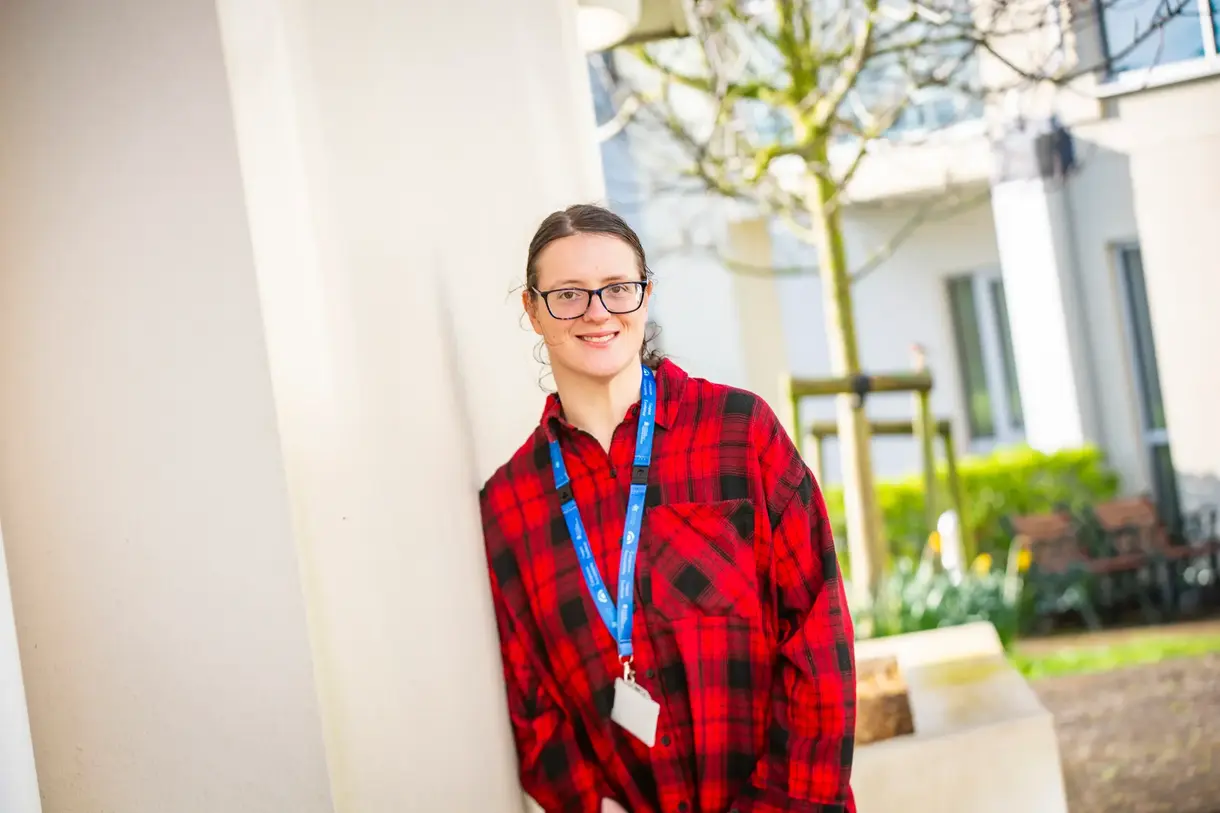
Emily's story
Emily has endured immense challenges as an Autistic person undergoing traditional eating disorder treatment. Now her experience is helping to reshape care for others.
Emily's story
More impact stories
Take a look at our impact pages for a range of stories about the difference we have made through our funded research.
Our impact
Our full impact report
Thanks to you, we’re supporting some of the brightest and best medical researchers in the world to solve neglected health problems.
In our impact report, we showcase some of the life-changing science you’ve made happen.
2025 Impact ReportDonate now and change lives
Your support has led to ground-breaking discoveries and life-changing advances, but there is still more to do. For every researcher we support, there are many more we can’t. We receive four-and-a-half times more applications for eating disorders funding than we can fund. That’s why we need your help. Your donation today could support research like Kate's, and could fund the next life-changing discovery.
Donate now