Giving young eczema sufferers a ‘healthier, happier future’
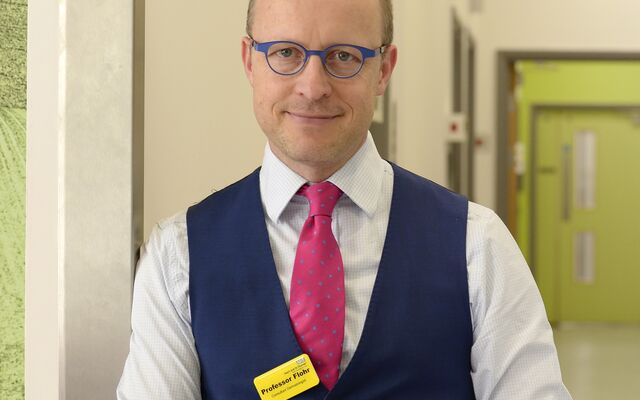
Professor Carsten Flohr from King’s College London is exploring the links between eczema, sleep, and mental health in young people.
Eczema, or atopic dermatitis, is the most common inflammatory skin condition worldwide, affecting millions of children and adults. In the UK, around 20% of children are living with the skin condition, but its impact goes far beyond the skin.
Often beginning before the age of two, eczema can have a profound impact on a child’s quality of life. Frequently, the persistent itching leads to chronic sleep disturbance, which over time can disrupt memory, concentration, and mood. For young people, this often translates into challenges at school, increased anxiety, depression, and social withdrawal.
Professor Carsten Flohr and his team from King’s College London and Evelina London Children’s Hospital are working alongside collaborators from the universities of Surrey, Oxford and Copenhagen. The team are exploring the links between eczema, sleep, and mental health in children and adolescents – research which could pave the way for vital new treatments.
Long-term effects of sleep disturbance
As a clinician at Guy’s and St Thomas’ Hospital, Carsten has supported children of all ages living with eczema.
“In my clinic I’m very often confronted with teenagers who are half-asleep as I’m talking to them,” Carsten explains. “The disrupted sleep and body clock often go back to infancy, with these children never establishing a proper day-night rhythm.”
Not only are the young people affected, but their families and carers are too – who often struggle with the restricted treatment options available for their loved ones. “I sometimes get videos from parents filming their child scratching in their sleep,” he says.
The implications of eczema on sleep have been understood for a long time. Past studies have tracked the impact of night-time scratching using movement monitors, but they haven’t explored what’s happening beneath the surface, including the brain.
Research highlights a striking connection between sleep disturbance and mental health issues. For example, children with eczema who sleep poorly are 40 to 50% more likely to have ADHD than those without eczema.

“I haven’t had a week of good sleep for years”
At first glance, Akshay seems like any other sporty, sociable teenager. But managing severe eczema has shaped much of his day-to-day life. Akshay tells us about the impact of this, as well as his participation in Professor Flohr’s ‘Mind and Skin’ study.
Akshay's story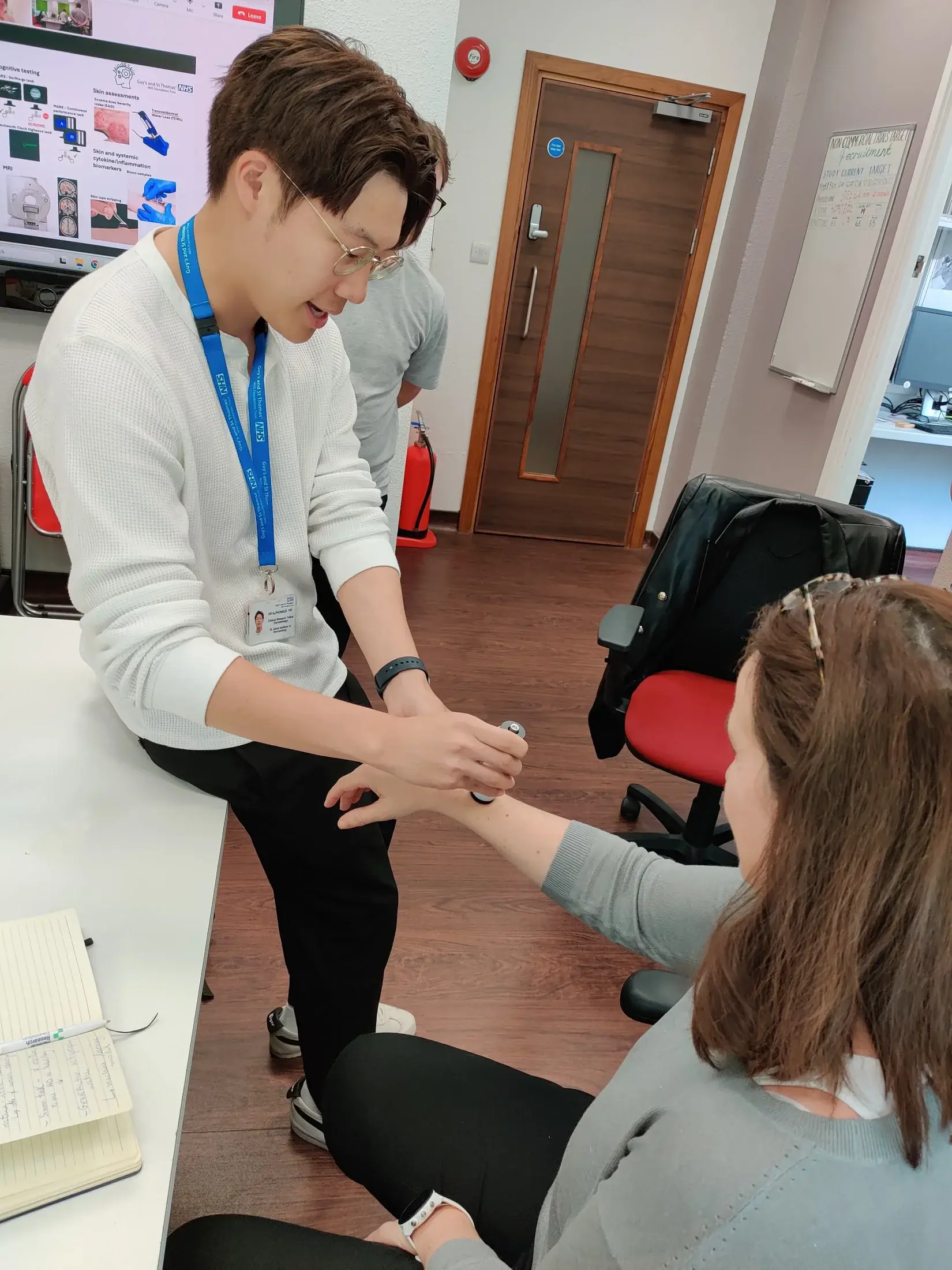
Exploring what’s going on at a deeper level
While past research has linked eczema to sleep problems, Carsten noticed a significant gap in the research landscape. Previous studies had not yet drilled down into the finer connections that may exist between skin inflammation, sleep disturbance, and possible inflammation elsewhere in the body, such as the brain or the blood.
To help fill this knowledge gap, Carsten has built a diverse team of experts spanning multiple disciplines, including specialists in children’s sleep medicine and circadian rhythms, and researchers from the King’s College London Institute of Psychiatry, Psychology and Neuroscience, who specialise in the links between systemic inflammation and brain inflammation.
With the Foundation award, Carsten has been able to, as he describes it – “bring the modern sleep lab into the home”, using multiple small devices to monitor a range of indicators in children with eczema, allowing them to measure brain activity, heart rate, respiratory rate and movement.
The study focuses on 12- to 18-year-olds. By linking MRI scans with sleep data, the team is uncovering how eczema-related inflammation may be affecting brain function.
Sleep disturbance is torture. Eczema is a serious disease if you’ve got it severely, and the impact on people’s quality of life must not be underestimated. Professor Carsten Flohr
A path to new therapies
Carsten is hopeful this research could help lay the groundwork for new therapies for children with eczema. He offers the example of neurofeedback – a therapy that uses real-time monitoring of brain activity to help regulate brain function and improve sleep and wellbeing.
“Sleep disturbance is torture,” says Carsten, “Eczema is a serious disease if you’ve got it severely, and the impact on people’s quality of life must not be underestimated.”
The implications of sleep disturbance in the early years can last well into adulthood, impacting patients’ mental health and workplace performance.
By uncovering how eczema, sleep, and brain inflammation are connected, Carsten’s research could lead to new therapies.
Thanks to you, this vital work is making a real difference – giving young people the chance of a healthier, happier future.

Akshay's story
Akshay and his family were invited to join Professor Flohr’s ‘Mind and Skin’ study after visiting the Severe Eczema Clinic at Guy’s and St Thomas’s Hospital. Akshay tells us about what this involved, and discusses the impact that severe eczema has had on his life.
Akshay's story
More impact stories
Take a look at our impact pages for a range of stories about the difference we have made through our funded research.
Our impact
Our full impact report
Thanks to you, we’re supporting some of the brightest and best medical researchers in the world to solve neglected health problems.
In our impact report, we showcase some of the life-changing science you’ve made happen.
2025 Impact ReportDonate now and change lives
Your support has led to ground-breaking discoveries and life-changing advances, but there is still more to do. For every researcher we support, there are many more we can’t – not because they lack merit, but because we lack the funds to support them all. You can change that. Your donation today could support research like Carsten's, and could fund the next life-changing discovery.
Donate now