


Paediatric health and newborn care
Changing Policy and Practice
Professor Lorenzo Fabrizi is introducing a simple, evidence-based approach to improve how pain is managed for babies in neonatal care.
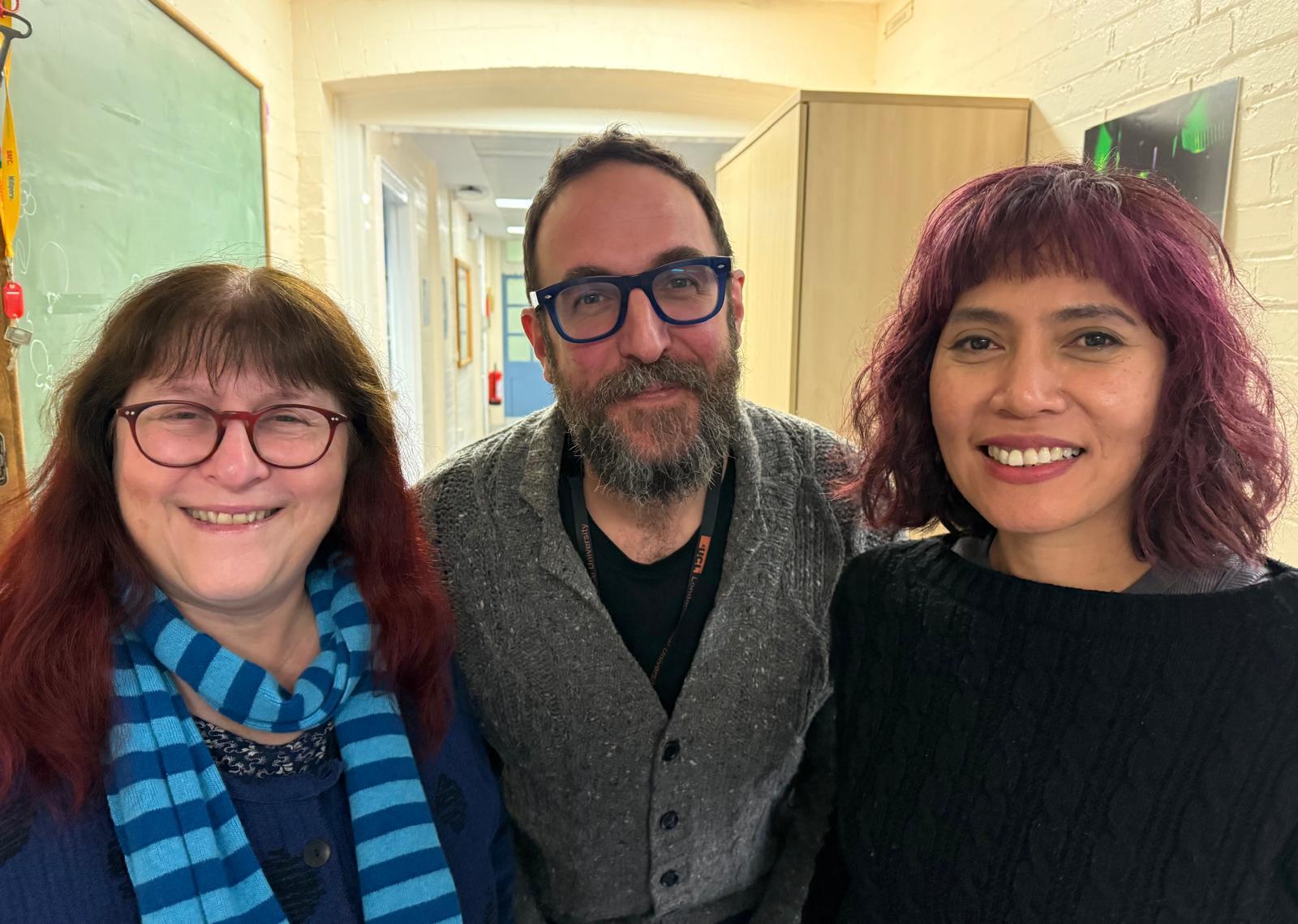
Professor Lorenzo Fabrizi,from UCL, is uncovering how babies experience pain – a crucial step towards transforming how pain is managed
in neonatal care.
We awarded Professor Fabrizi an Emerging Leaders Prize for pain research in 2020 and later, a Changing Policy and Practice (CPP) Award, specifically designed to help him develop a pain severity scale for parents and clinicians. The scale, based on 59 clinical trials, ranks 15 common procedures – such as heel pricks and collecting blood samples – on a scale from 0 to 100. It recommends actions parents and clinicians can take to help mitigate pain for each procedure, such as skin-to-skin contact. The scale is now available in multiple languages.
With a renewal CPP Award, Professor Fabrizi's team will expand the use of this scale to improve how pain is managed for babies in neonatal care. The main aim is to help hospitals, staff, and parents work together to recognise and reduce babies’ pain during routine procedures.
Their dissemination work will focus on a 'train-the-trainer' model. They will recruit experienced healthcare professionals ('Pain Champion Trainers') from across the country and provide them with structured training. This will include online sessions, workshops, and practical teaching. Trainers will then deliver sessions within their own hospitals and networks, helping spread knowledge and build local expertise.
They will also develop a comprehensive training and implementation pack, including guidance on using the tool, supporting parents, and monitoring improvements in care. This ensures consistency and sustainability beyond the project.
By building a national network of trained champions and embedding skills locally, the project aims to create lasting change. Ultimately, this approach will support more consistent, family-centred pain management and improve long-term outcomes for vulnerable babies.