



Five new funding awards help researchers turn results into action
A look at the research projects receiving funding in our latest round of Changing Policy and Practice awards.
Changing Policy and Practice
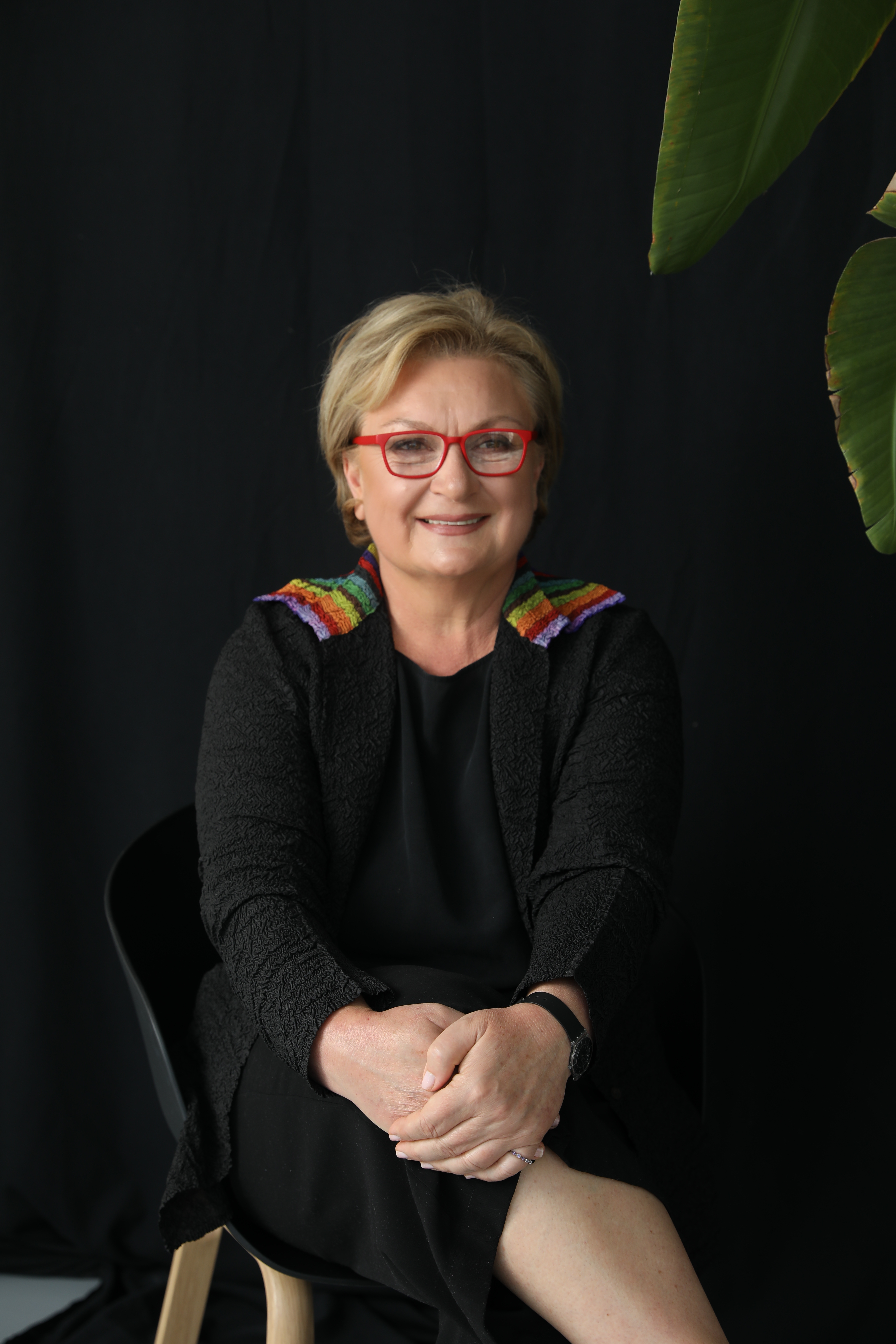
Although the reasons are not yet well understood, eating disorders are more common in neurodivergent than neurotypical people. For example, research suggests that children with attention deficit hyperactivity disorder (ADHD) are six times more likely to have an eating disorder by their late teenage years than those without.
Despite this, the treatments neurodivergent people receive are often designed for a neurotypical population, meaning they are likely to be less effective and commonly lead to longer treatment times.
Professor Kate Tchanturia and her team at King’s College London have carried out Foundation-funded research to better understand how people with eating disorders and autism process emotions and social cues, and how this might inform more personalised and inclusive treatment strategies.
From this, they have created the ‘Pathway for Eating disorders and Autism developed from Clinical Experience’, or ‘PEACE’ for short. Co-produced with individuals with lived experience, the PEACE pathway offers practical guidance for how eating disorder healthcare services can be adapted to better meet the needs of neurodivergent people.
Now, with their CPP funding, Kate and her team will take the next step and produce a digital ‘PEACE Toolkit’. This will help clinicians assess their current ability to deliver neurodivergent-tailored care, as well as providing practical resources, such as downloadable guides and training materials, to support them in being more inclusive.
By empowering healthcare services in this way, Kate and her team aim to make neurodivergent-friendly eating disorder care more accessible and sustainable – ensuring it can reach more people over time so that no one is left behind.
A look at the research projects receiving funding in our latest round of Changing Policy and Practice awards.