


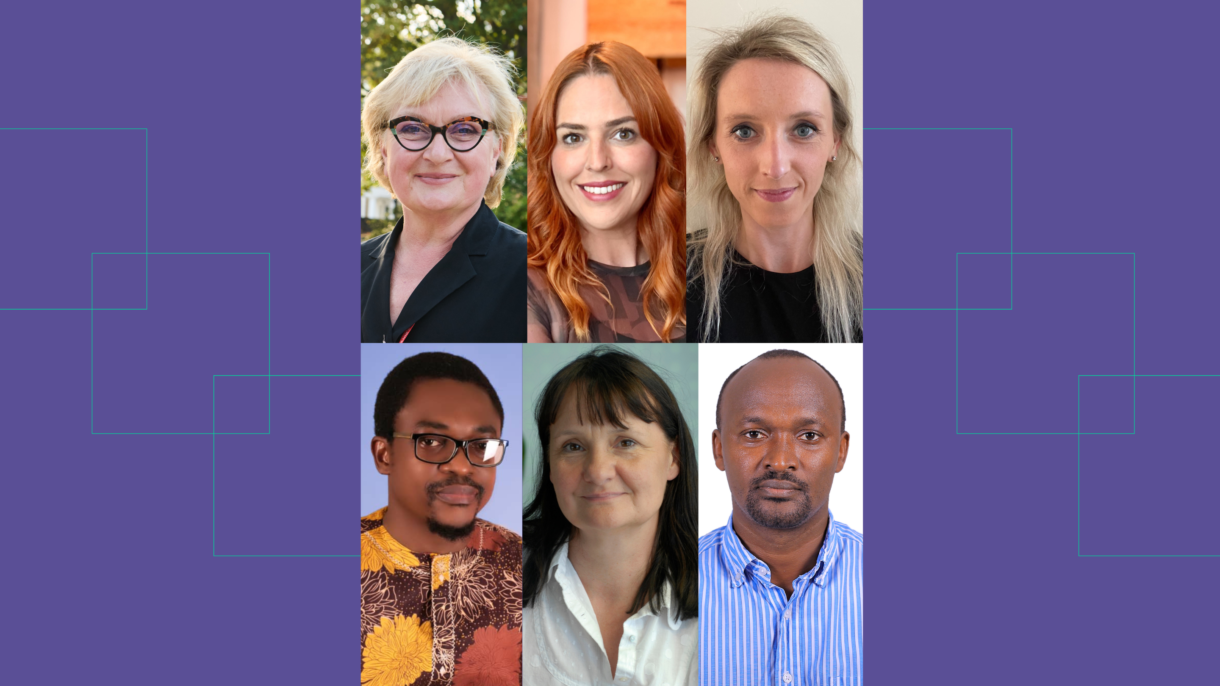
Five new funding awards help researchers turn results into action
A look at the research projects receiving funding in our latest round of Changing Policy and Practice awards.
Changing Policy and Practice

In Uganda, an increasing number of people each year are experiencing life-changing amputations, with road traffic accidents and diabetes being two of the leading causes. Yet there is a stark lack of support for people living with limb loss in the country.
Global health is skewed towards emergency medicine, with little focus on rehabilitation, meaning that until now, amputees have been reliant on foreign aid to get the medical devices they need. These might be prosthetics, artificial limbs which replace missing ones, or orthotics, such as braces, splints or insoles which support a body part.
To address this issue, researchers led by Professor Louise Ackers at the University of Salford and Dr Raymond Tweheyo at Makerere University investigated how they could improve the rehabilitation services available to people with limb loss, in research funded by the Medical Research Council (MRC). This resulted in the development of Uganda’s first national strategic plan for rehabilitation.
Now, with their CPP funding, Louise, Raymond and their team will build on their MRC-funded work, presenting their findings and beginning to put this strategic plan into action. Throughout the project, they will hold events to engage amputees with lived experience and gather their valuable insights.
They aim to develop a sustainable approach for manufacturing prosthetics and orthotics locally, building their own workshop and allowing people to access follow-up appointments and repairs when needed. They will also implement preventative schemes, such as a diabetes prevention programme, with the goal of reducing the number of people needing amputations in the first place.
A look at the research projects receiving funding in our latest round of Changing Policy and Practice awards.