


Global health
Changing Policy and Practice
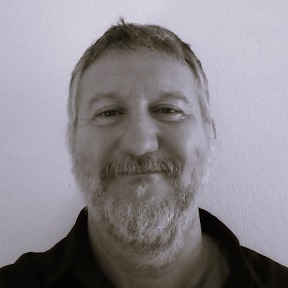
Professor Davide Rasella will work closely with senior policy-makers to disseminate research findings that underpin the importance of primary health care systems.
Primary health care is the first point of contact for health care for most people. It includes GPs (general practitioners), community pharmacies, opticians and dental surgeries.
Strong primary health care systems save lives and reduce health inequalities, especially in times of crisis. These were the findings of Professor Davide Rasella's PILLAR project, which showed that primary health care expansion prevented over 300,000 infant deaths across four Latin American countries over the past two decades, and could significantly mitigate the effects of future crises.
However, in many low- and middle-income countries, investments in primary health care are often threatened by economic instability, competing priorities, and limited access to timely evidence.
With the Changing Policy and Practice (CPP) Award, Professor Rasella, from the Centre for Studies and Research in Collective Health, is implementing the RESILIENT project.
This project aims to ensure that scientific evidence on the benefits of primary health care is translated into real-world policy decisions. RESILIENT will support policymakers in using this evidence to guide investment and planning decisions at national and regional levels.
Working closely with Ministries of Health in Brazil, Colombia, Ecuador and Mexico, as well as PAHO/WHO, the project will deliver a structured dissemination programme. The dissemination work will include policy briefs, regional workshops, an interactive online tool to explore future scenarios, and accessible communication materials such as videos and infographics.
By making complex evidence easier to understand and use, RESILIENT aims to strengthen decision-making, promote more equitable health investments, and position primary health care as a key strategy for building resilient health systems in the face of ongoing global challenges.