


Eating disorders
Mental health
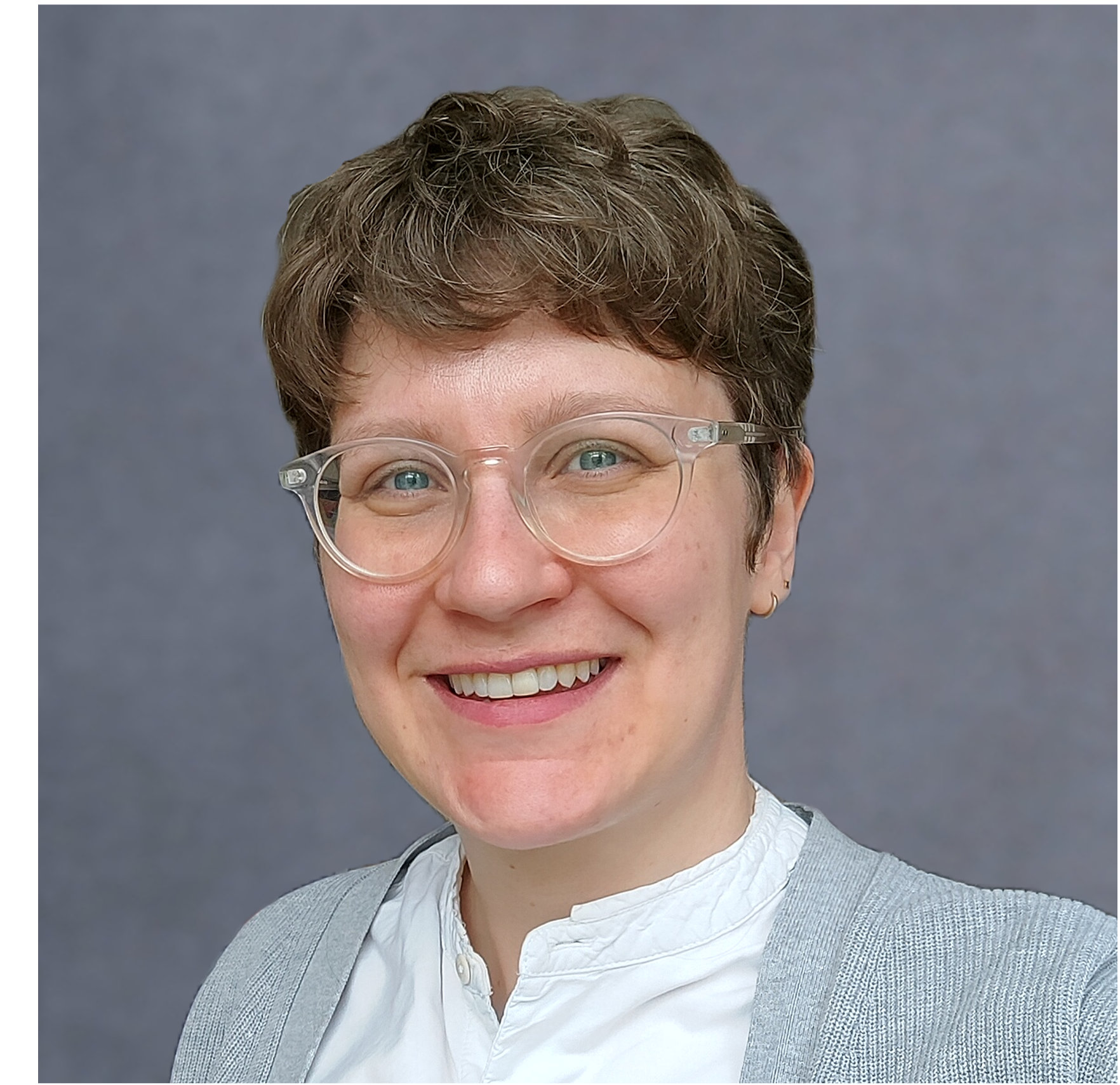
Recent studies have shown that food insecurity - not having, or being worried about having consistent access to enough, nutritious food - may increase a person's risk of developing an eating disorder. It could also make it harder for people to recover from eating disorders.
Dr Helen Sharpe and her team from the University of Edinburgh is developing practical resources for healthcare professionals, to help them better support eating disorder patients who are living in food insecurity. These resources will accompany an animation on lived experience of food insecurity in those with eating disorders, created as part of the EDIFY programme.*
The new resources will educate healthcare professionals on the relationship between food insecurity and eating disorders, and provide practical examples on how to raise and address the topic of food insecurity in eating disorder assessment and treatment. Dr Sharpe's team will co-design the format and content of the resources with healthcare professionals and people with lived experience of eating disorders, to ensure they are appropriate and can be easily used in services. The team will share the resources with eating disorder services across the UK and host them on the EDIFY website* for public use.
*EDIFY is a four-year programme of research focused on how we understand and treat eating disorders in young people. It is led by Professor Ulrike Schmidt, King’s College London and Dr Helen Sharpe, University of Edinburgh, alongside other academic and third sector partners across the UK.
This project is funded by the Bird Song Trust.