


Supporting innovation in diagnostic imaging
Announcing the winners of our Peter Horlock UK PET Chemistry 2025 Travel Bursary Awards.
We’re pleased to announce the recipients of our 2025 Peter Horlock Travel Bursary!
This year, we launched a new funding scheme specifically for technical staff working in PET radiochemistry – a field focused on developing short-lived radioactive molecules for use in positron emission tomography (PET) imaging. PET is widely used to diagnose conditions such as cancer, cardiovascular disease, and neurological disorders.
The scheme has been developed in collaboration with UK PET Chemistry, an organisation for UK-based students, researchers and professionals in the field. It aims to support applicants seeking to advance their work and careers by attending the UK PET Chemistry 2025 Conference.
The UK PET Chemistry conference is held annually in Glasgow, as a one-day event. This year, it is taking place today, on 9th September.
The conference is a national forum for researchers, academics and industry professionals to share their work in PET chemistry. It is primarily focused on promoting early-career researchers, enabling them to gain experience in presenting at a scientific meeting.
We’ve been able to set up this new scheme thanks to the generous support of Mrs Cathy Horlock, in memory of her late husband, Peter Horlock.
Peter Horlock worked as a technical officer in the radiochemistry section of the Medical Research Council Cyclotron Unit. His area of expertise was in effecting innovation in the production of radiopharmaceuticals for clinical research.
We’re proud to award this bursary to three outstanding technicians who are making valuable contributions to PET radiochemistry:
Sign up to our newsletter
Keep up to date with all our latest news and events, as well as ways you can get involved in our fundraising activities.
Sign up now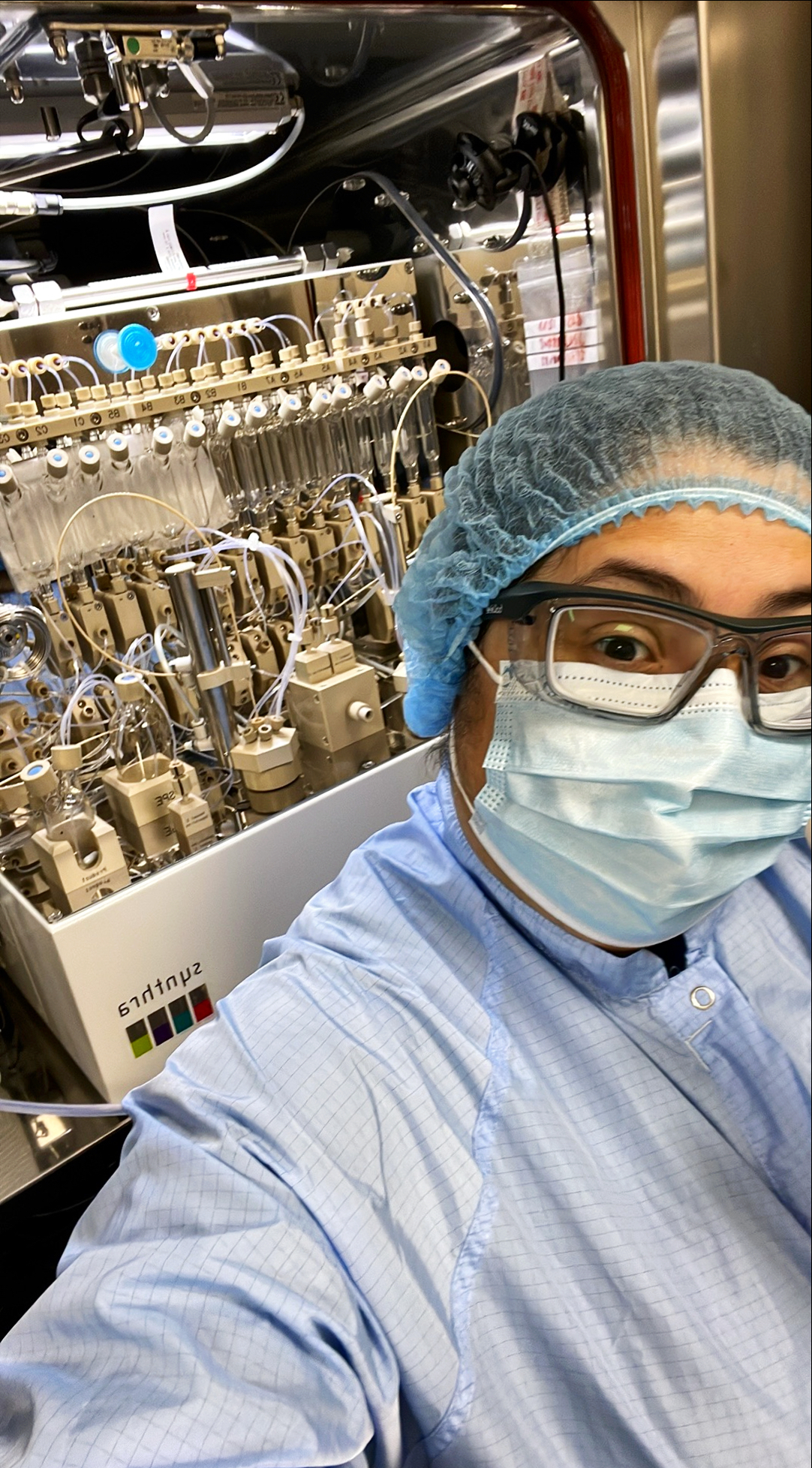
Jennifer McLaren - Radiochemistry Laboratory Technician at The Wolfson Brain Imaging Center, University of Cambridge
Jennifer has just completed her first year in the field of radiochemistry, working in a Good Manufacturing Practice (GMP) facility, where she has been trained on producing radiotracers. She has also been involved in the process of validating new radiotracers. Our funding will enable her to learn more strategies to overcome obstacles and better navigate the increasingly complicated GMP environment.

Federico Luzi - Senior Production/QC/Development Radiochemist, King’s College London
Federico will use his learnings from the conference to showcase the work of the Positron Emitting Radiopharmaceutical Laboratory (PERL) at King’s College London. This is a state-of-the-art facility that has developed and validated two radiopharmaceuticals in a short time space, collaborating with the University of Edinburgh and University of Glasgow. He hopes to stay up-to-date with the most recent advancements in the PET chemistry field, and apply these new technologies to improve the work at PERL.
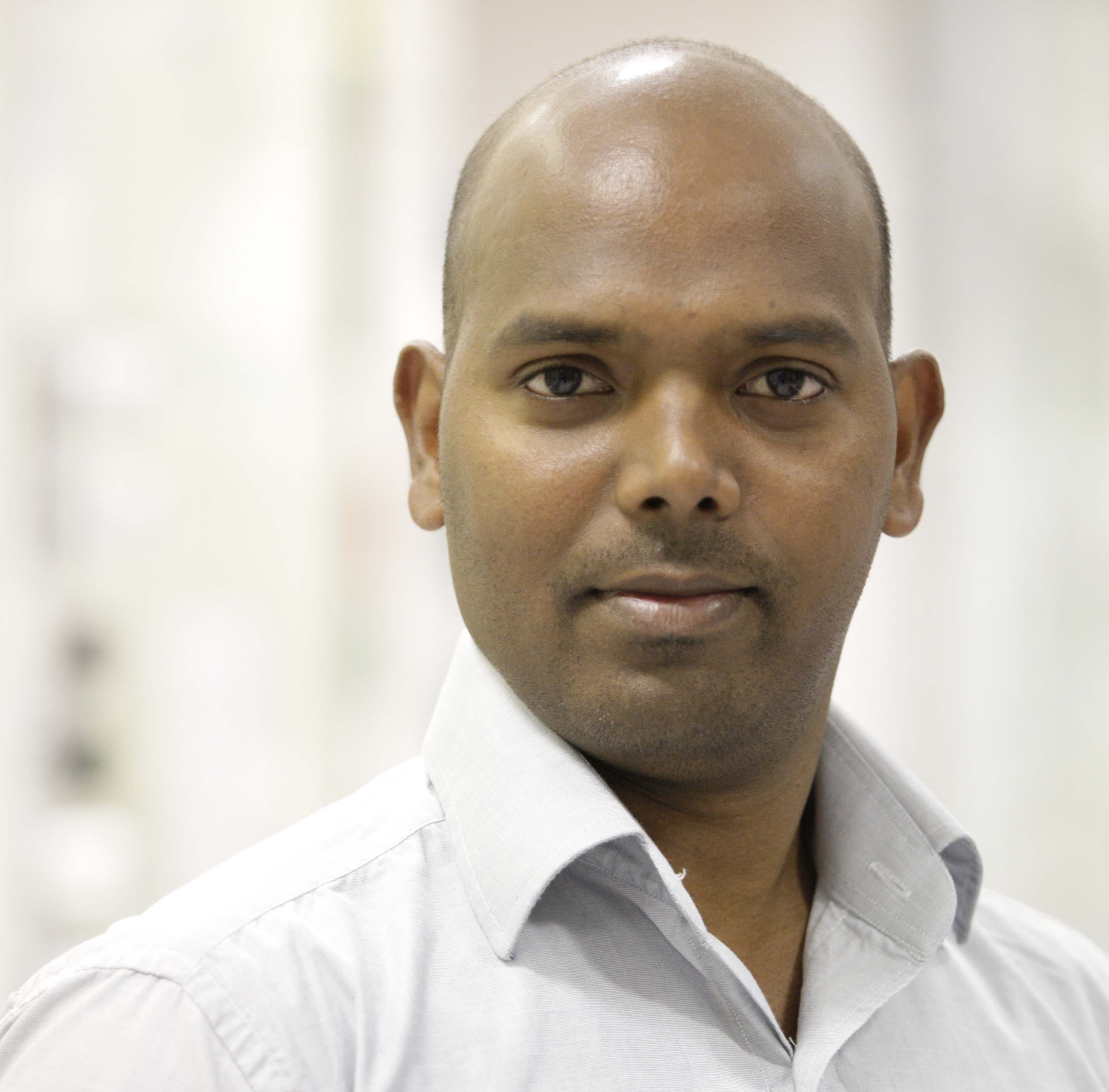
Manikandan Kadirvel – Health and Safety Technician (Radiation), School of Physics and Astronomy, University of Birmingham
Manikandan is currently working as a technical staff member at the Birmingham Accelerator facility and Positron Imaging Centre at the University of Birmingham. The non-GMP facility has the ability to produce several positron-emitting isotopes using the most powerful cyclotron (44 MeV) in the UK. However, there is a lack of platforms for the automated production of radiotracers, and a need for more expertise in the development of novel radiopharmaceuticals and clinical PET imaging.
The conference will enable Manikandan to obtain insight into advancements in PET imaging technology, and its applications in scientific research and clinical practice. It will also provide the opportunity to promote the technological capabilities of the Birmingham Accelerator facility and Positron Imaging Centre.