


Impact of Cancer and Cancer Care on Human Biology and Health
This funding call is now closed and we will not be accepting any further applications.
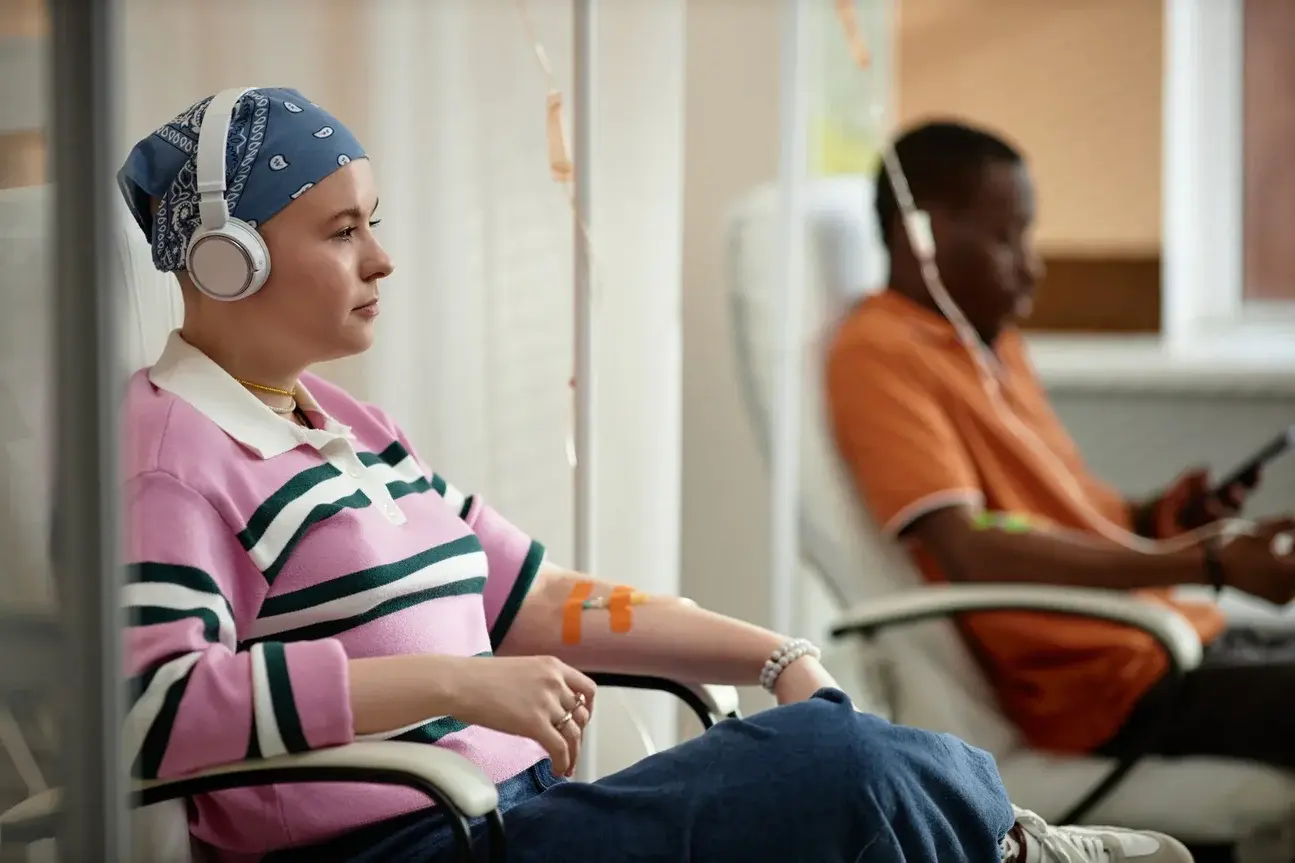
The Medical Research Foundation is inviting applications from researchers to support people impacted by cancer, helping them to live well with and beyond treatment.
Cancer remains one of the main causes of death in the UK. 3.5 million people in the UK live with cancer, and around 167,000 die of cancer every year. Cancer treatments and survival rates have significantly improved in recent years, and now some cancers are even considered chronic health conditions. However, more research is needed to understand the impact of cancer treatments on overall health after remission - including the physical side effects of treatment, and the mental health impacts of patient journeys.
We welcome research proposals that seek to better understand and improve the quality of life of people living with cancer, or those who have survived cancer.
Research areas could include, but are not limited to:
- the biological basis of cancer treatment side effects - such as those caused by immunotherapies;
- improving long-term and late effects of treatment - such as increased risk of secondary cancers, cardiac issues and stroke in later life, particularly in paediatric cancer patients;
- cancer treatment side effects - such as neurological complications, mouth ulcers, fatigue, pain and nausea;
- identifying risk or predictive factors on cancer therapy efficacy and side effect severity - such as the role of the microbiome;
- improving consequences of cancer treatment - such as infertility, endocrine deficiencies, organ removal, and impacts of major surgery;
- palliative care during cancer treatment and recovery;
- rehabilitation therapies before, during and after cancer treatment and recovery - including physiotherapy and occupational therapy;
- psychological and mental health effects of cancer and cancer survivorship.
The Foundation invests in research where there is a clear and unmet need. Applicants will need to demonstrate how their proposal represents potential for impact, particularly where their proposal is in an area of research that has already received significant research funding to date. Applicants are encouraged to include people with lived experience in the development of their proposal.
Applications related to understanding the fundamental biology of cancer, or developing novel diagnostics will not be considered within the scope of the scheme. Development of new treatments would need to demonstrate how they were an improvement on existing care, and must identify the evidence base for the treatment. We recognise the importance of end-of-life care, however, this funding opportunity does not include research focused solely on interventions or therapies for the last days of life, end of life planning, or bereavement.
Applications are welcomed from researchers at all levels of seniority and will be assessed relevant to the applicant’s career stage, with no preference shown for any particular career stage.
How much funding is available?
Applications are expected to be between £300,000 and £500,000 over a maximum of a 3 to 5-year period. There will be up to £3,000,000 available.
Who can apply?
This competition is open to all UK-based researchers, clinical academics and allied health professionals at eligible institutions (UK HEIs, Research Council research institutes, hospitals, and other independent research organisations). Applicants must hold a PhD, DPhil or MD.
Applications will be considered from researchers at all levels of seniority. Only one application will be accepted per applicant, though individuals can hold more than one Medical Research Foundation grant at any one time.
Timeline
Deadline for submission: 12:00 Thursday 25 September 2025
Shortlisting Notification: January/February 2026
Rebuttal Process: February 2026
Funding Decision: March 2026
How to apply
Applicants should apply online using our online grants management system.
Please see here for Guidelines for Applicants.
Applicants must use our Résumé for Researchers template in their application.
Queries
The Medical Research Foundation is committed to making this application accessible to all by offering assistance where needed. Please do not hesitate to get in touch with the Research Team if you have any questions or concerns about the application process:
Email: research@medicalresearchfoundation.org.uk
Tel: 0204 581 2435
Terms and Conditions of Award
Awards funded through this competition will follow standard Medical Research Foundation terms and conditions. The terms and conditions spell out the responsibilities of the Principal Investigator and the Lead Research Organisation. The Principal Investigator and the Lead Research Organisation are required to indicate their formal acceptance of the proposal, their acceptance of the terms and conditions of an award, and the approval of the salaries and resources sought in the application.
The Medical Research Foundation may add additional conditions to a grant award to reflect the particular circumstances and requirements of the funding, or the nature of a particular award. Acceptance of an award constitutes acceptance of both the core conditions and any additional conditions. The Medical Research Foundation reserves the right to vary these terms and conditions.
Review and Selection Process
Applications will undergo external peer review and a shortlisting process by an Expert Review Panel of independent scientific experts. If shortlisted, applicants will be invited to submit a rebuttal response to the peer review and Panel comments.
Applications may be assessed by People with Lived Experience and/or experts in patient involvement and engagement. The appropriateness of this additional assessment will be determined depending on the type of research proposed in the application.
Expert Review Panel
The Panel is made up of experts in research areas relevant to cancer. The Panel is Chaired by Professor Richard Coward, University of Bristol.
Professor Deya Gonzalez, Swansea University
Dr Sarah Dimeloe, University of Birmingham
Dr Jane Gibson, University of Southampton
Dr Mohammad Islam, University of Dundee
Dr Lucy Jackson-Jones, Lancaster University
Professor Sophia Karagiannis, King’s College London
Professor Michelle Lockley, Queen Mary University of London
Professor Sara MacLennan, University of Aberdeen
Professor Peter McHugh, University of Oxford
Dr Matthew Mulvey, University of Leeds
Professor David Parkinson, University of Plymouth
Professor Bob Phillips, University of York
Professor Helen Poole, Liverpool John Moores University
Dr Steven Shnyder, University of Bradford
Professor Christopher Talbot, University of Leicester