


Seven new projects awarded funding to address health impacts of climate change
Announcing the research projects receiving the latest round of our Impact of Climate Change on Health funding.
We’re delighted to announce funding for seven new research projects which will investigate how we can better understand and combat the detrimental health effects of climate change in Africa.
While climate change is commonly recognised as disastrous for our natural world, it also has a devastating impact on human health. Shifting weather patterns cause diseases to spread to parts of the world where they were not previously found, and extreme temperatures put increased stresses on people, through direct effects on the body as well as food and water shortages.
The World Health Organization (WHO) predicts that between 2030 and 2050, climate change will cause an additional 250,000 deaths per year. Despite contributing very little to the global carbon emissions which cause it, low- and middle-income countries, including many in Africa, suffer the most significant health effects of climate change.
To address the challenges faced by people in Africa as a result of climate change, we have run three annual rounds of a collaborative Impact of Climate Change on Health scheme. This provides funding to pairs of mid-career researchers, one from Africa and one from the UK, who are working on the health impacts of climate change and looking to progress in their field.
Read about the seven new projects below.
Ensuring primary healthcare services can continue in a changing climate
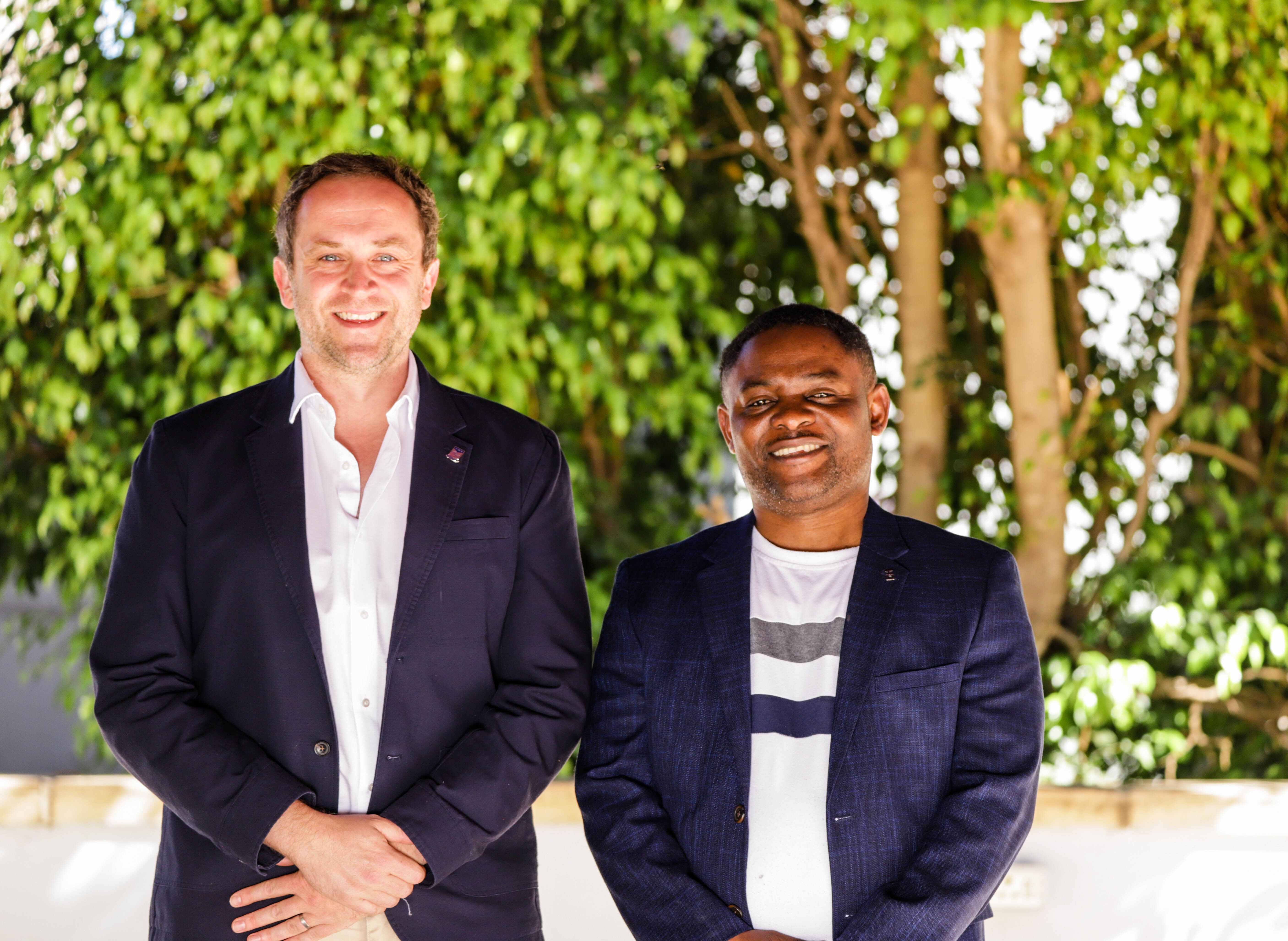
Dr Christian Lueme Lokotola at Stellenbosch University in South Africa and Dr Thomas Shepherd at Keele University in the UK will assess the risks posed by climate change for vital primary healthcare services across Africa. The assessments will result in action plans to make these services more resilient, ensuring they are not disrupted or shut down in the face of increasingly challenging conditions.

Understanding the changing patterns of malaria transmission
Anopheles stephensi is a species of mosquito which transmits malaria and has already spread from Asia to several African countries. Dr Bernard Steve Soh Baleba at the International Centre of Insect Physiology and Ecology in Kenya and Dr Natalie Pilakouta at the University of St Andrews in the UK will investigate how temperature changes affect the biology and spread of this mosquito species. Getting a better understanding of its likely next moves will help to improve the control of malaria across Africa.
Exploring seasonality and arbovirus transmission in Tanzania
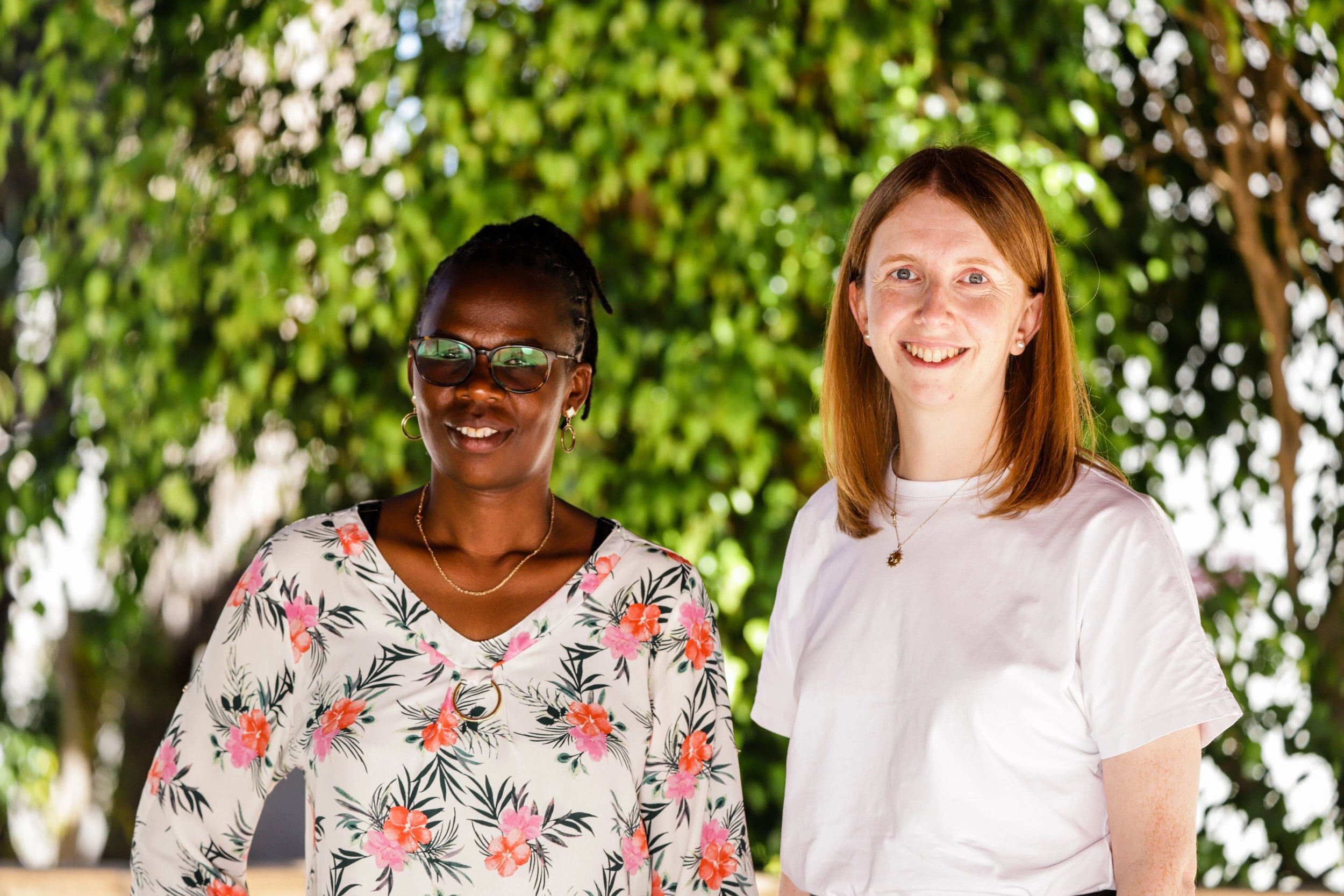
Arboviruses are viruses which are spread from person to person by invertebrates like mosquitoes, ticks and sandflies, and can cause serious diseases such as dengue, haemorrhagic fever and Rift Valley fever. Dr Debora Charles Kajeguka at KCMC University in Tanzania and Dr Clare McCormack at Imperial College London in the UK will investigate how climate change affects the rate of spread of arboviruses in Tanzania.
Protecting women from pregnancy risks exacerbated by extreme heat
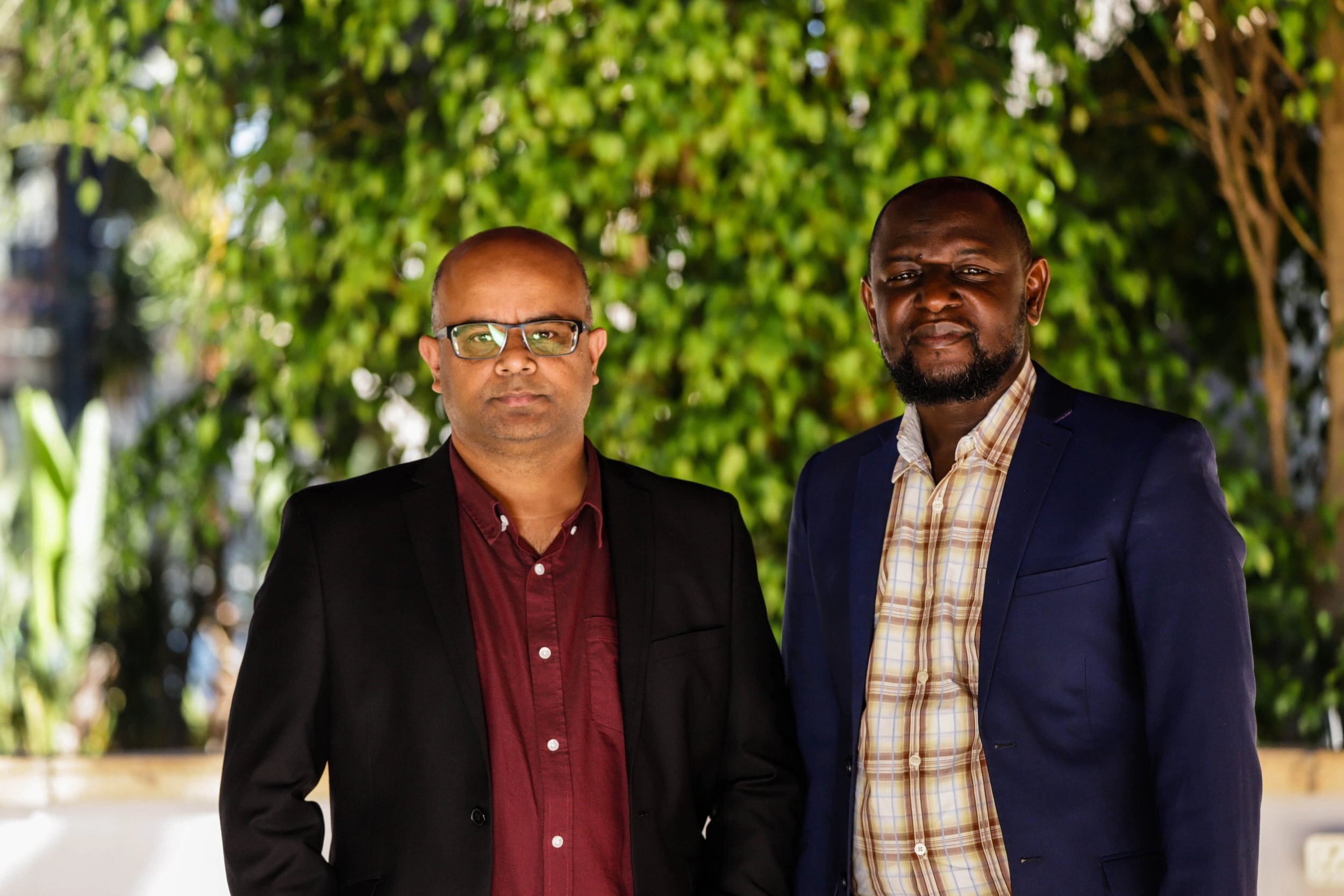
Preterm birth and low birth weight are both serious ongoing issues in Africa. Dr Isah Abubakar Aliyu at Bayero University Kano in Nigeria and Dr Khondoker Akram at the University of Sheffield in the UK will collect placenta and blood samples from pregnant women in Nigeria and the UK. Through analysing these samples, they will investigate how exposure to heat affects the function of the placenta, and how this might contribute to preterm births and low birth weight in newborn babies.

Tackling antimicrobial resistance in Nigeria
Dr Seniyat Afegbua at Nigerian Defence Academy and Dr Kirsty Sands at the University of Oxford in the UK will examine a range of farm and hospital environments to determine which of them contain the most antibiotic-resistant bacteria, and how this could be affected by temperature and extreme weather events. They will also trial a new disinfectant spray containing bacteriophages – viruses which infect specific bacteria, but not animals or humans – to see if this could be an effective approach to minimise the issue of antimicrobial resistance.
Preventing the spread of dengue in Côte d’Ivoire
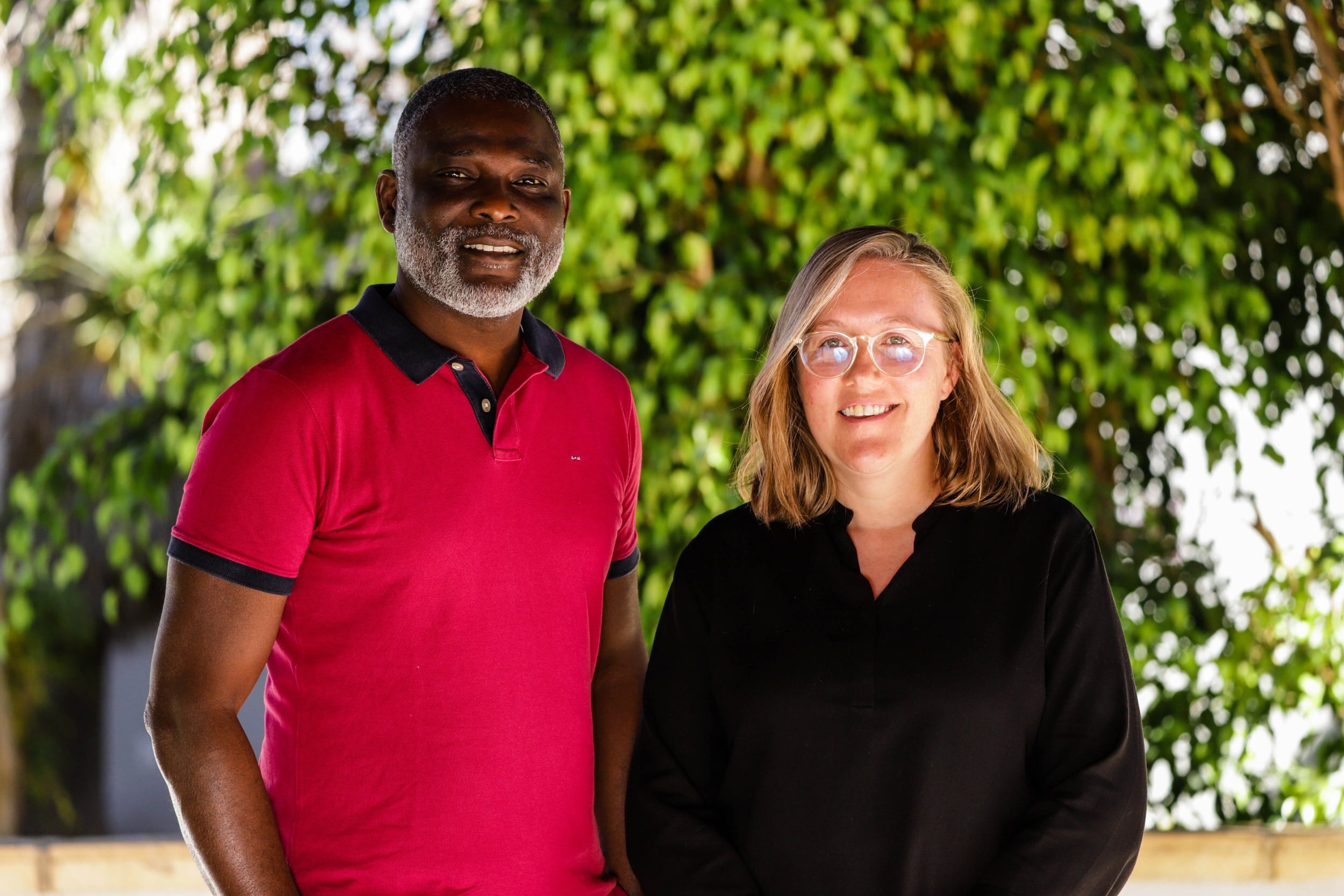
Dr Anani Badje at Programme PAC-CI in Côte d’Ivoire and Dr Ellen Dyer at the University of Oxford in the UK will study the historical and present-day relationships between climate and dengue transmission in Côte d’Ivoire. They will also test a dengue model which could be a useful tool for local health services in the future. Finally, the team will produce informative resources to engage local institutions and communities, with the aim of improving their disease prevention strategies.

Assessing the impact of climate change on neurological diseases in older adults
Dr Eunice Muthoni Mwangi at the Aga Khan University in Kenya and Dr Natasha Fothergill-Misbah at Newcastle University in the UK will investigate both the direct and indirect effects of climate change on neurological diseases such as dementia and stroke in older adults. They will assess how rising temperatures and flooding impact these conditions and how they are managed, and design a community-based programme in Kilifi County to help direct patients to the health facilities they need.